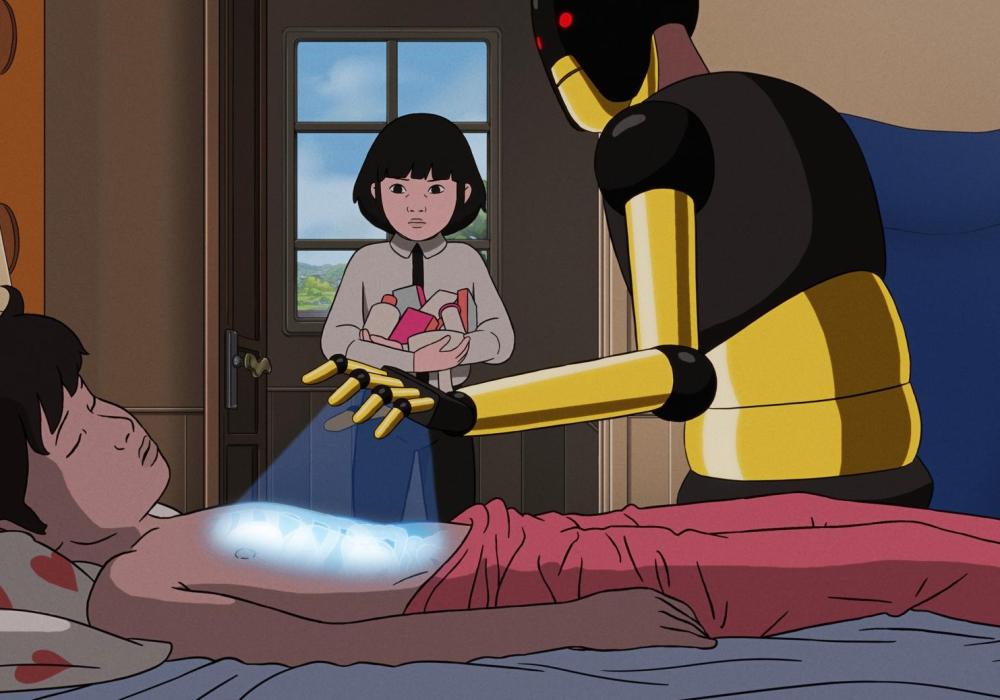
Arco (2025): Back to the Future – Reimagined for the 2020s
Before we begin this review of “Arco,” I would just like to remind everyone that “Movie Requests” begins this Saturday, February 28th! “Movie Requests” is my upcoming film review series where I ask prominent people to request films for me to talk about, and I give my thoughts on their suggestion. A new promo is out now for the first episode, featuring Bryce Dallas Howard! You can watch it by clicking the video below!
And if you want to see the new episode when it drops, please subscribe to my YouTube channel! Otherwise, if you are following Scene Before with an email or WordPress account, you can be notified shortly after the video is uploaded! Now, on with the review!
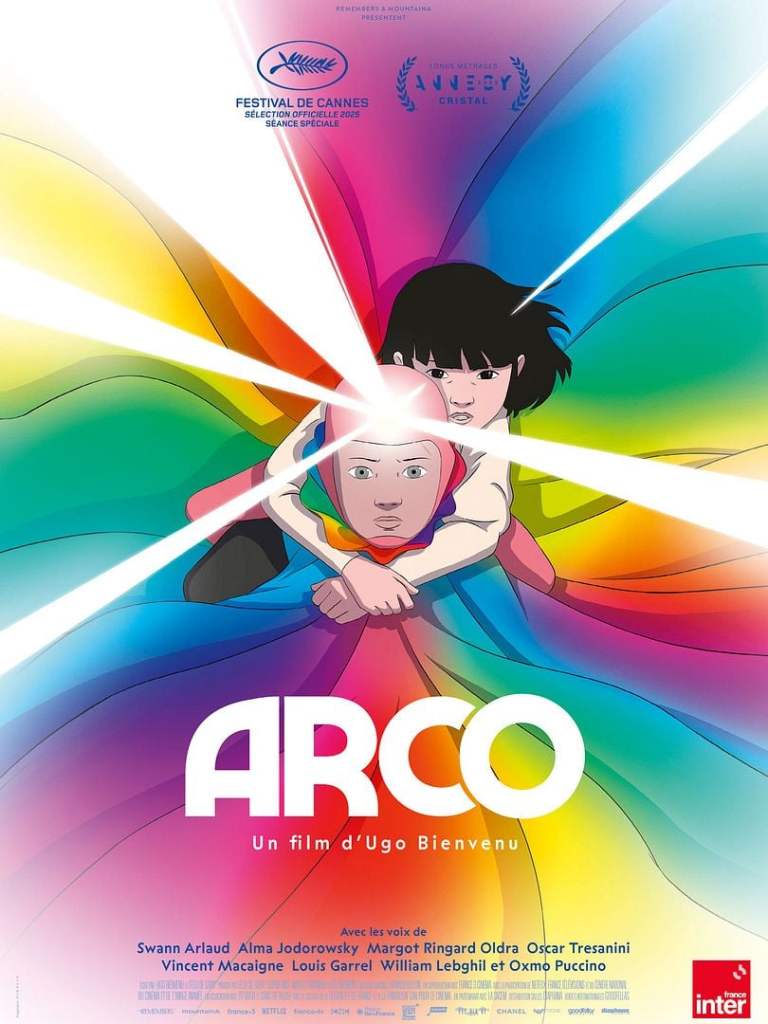
“Arco” is directed by Ugo Bienvenu and Gilles Cazaux and stars Swann Arlaud (By the Grace of God, Anatomy of a Fall), Alma Jodorowsky (Blue is the Warmest Colour, Kids in Love), Margot Ringard Oldra (Fortune de France, Along Came Love), Oscar Tresanini (La rebelle, les aventures de la jeune George Sand, Mini-Court), Vincent Macaigne (Diary of a Fleeting Affair, Cicadas), Louis Garrel (Little Women, A Faithful Man), William Lebghil (Soda, Some Like it Veiled), and Oxmo Puccino (In Your Dreams, Athena). This film is set in the future and follows a young girl who sees a boy fall from the sky, only to find out this boy has the ability to travel through time. The two do what they can to help each other, while trying to get the boy back to his own time.
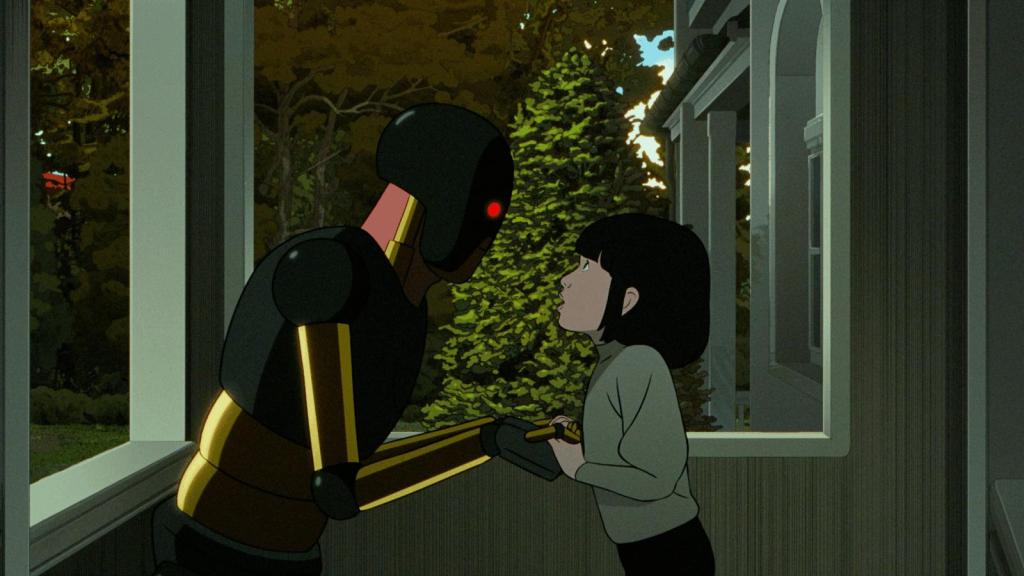
Just an FYI before we get on with the rest of this review. This is a French movie. Nevertheless, I watched the movie in English. I bring this up because when I review movies, I always attempt to watch them in their original language to get the most authentic experience possible. Even so, I watched the film in English as the film did not appear to be playing anywhere near me in French. Just know that I will not have any concrete thoughts on the film’s original cast. That said, the cast of the English version of the film did a good job. I do not really have any complaints. If you watch the film in English, and chances are you will if you live in the U.S. like me, I think you will have a solid experience.
“Arco” is one of those films where I went in nearly as blind as possible. I knew about the film a couple months before its release. Having followed Natalie Portman on Instagram, I was made aware that she was in the English version. I have also been made aware about the film receiving noticeably positive reviews. Having seen the film myself, those positive reviews were justified. This is not my favorite animated film of 2025. But it is a finely crafted remix on a familiar time travel concept.
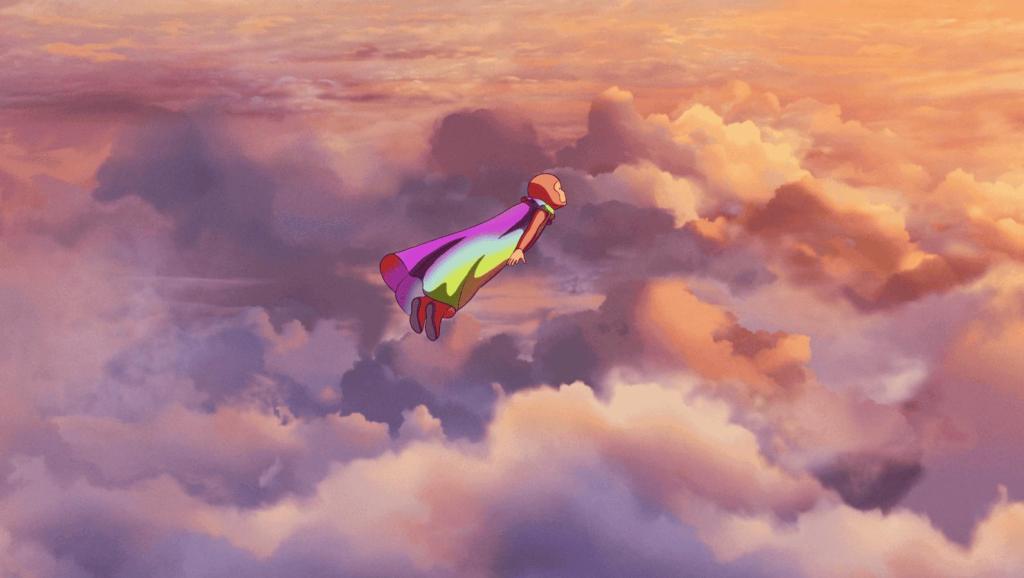
Some people believe that they do not make movies like they used to. While everyone’s definition of this phrase may vary, “Arco” feels like an answer to that philosophy for those looking for something like they got in the 1980s. “Arco” is essentially “Back to the Future” for a new generation. Not only because the plot heavily involves time travel and someone’s intentions to get back to their specific time following a mishap. But the film also captures a specific kind of wonder that movies like “Back to the Future” can easily evoke. During my earliest viewings of “Back to the Future,” which has now become one of my all time favorite films, I was always marveled by everything that went into the climax of that film between the actors’ line delivery, the sound mix, the lightning effects, and Alan Silvestri’s iconic score. If I watched “Arco” as a child, perhaps even as a teenager, it could have inspired me to pursue filmmaking or animation. It is a film that comes with a concept that not only sounds clever, but plays really well on screen. Even the method of time travel feels like a sibling of “Back to the Future.” If you have seen “Back to the Future,” you may recall Doc saying he turned a Delorean into a time machine to “do it with some style.” Much like that 1985 classic, there is a sense of style brought to the time travel in “Arco,” where we see characters utilize such a fantastical concept through rainbows. I cannot come up with many cooler ways to travel through time more magical than that.
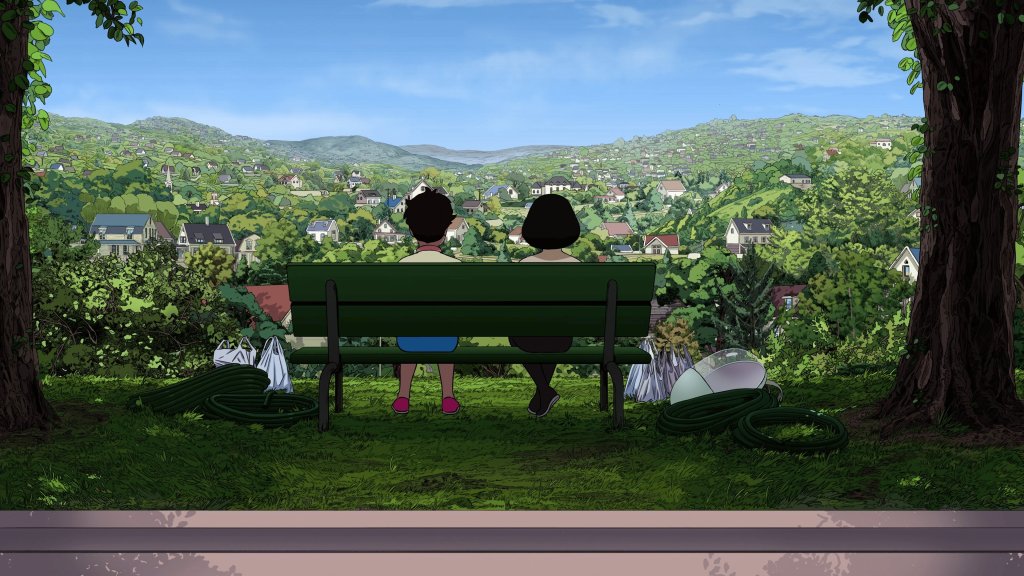
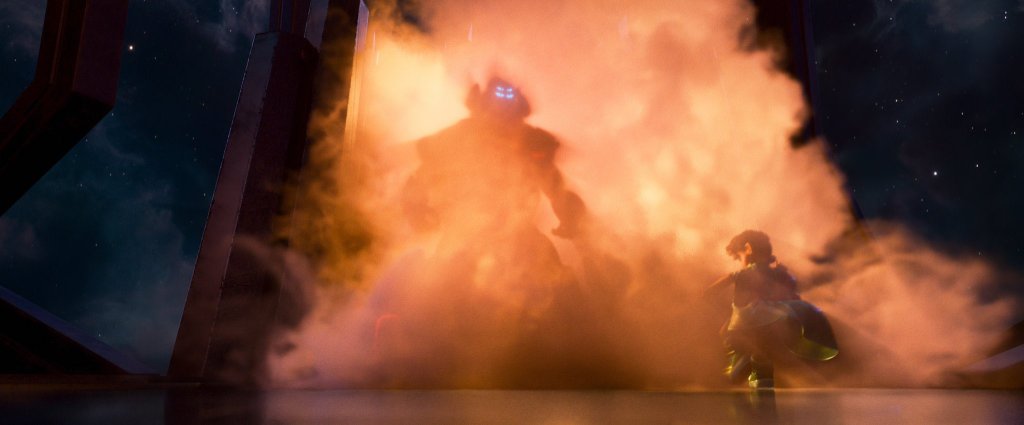
This film is the feature-length debut from Ugo Bienvenu, and I think anyone’s efforts should be commended should they direct a feature film for the first time. Although Bienvenu’s in particular had me perplexed, because throughout the film, I was under the impression I was watching the work of a longtime veteran. The 2D animation style feels very Studio Ghibli-like with some of the film’s occasionally vivid landscapes, strong colors, and cozy locations. If you told me that this film were being directed by Hayao Miyazaki, chances are I could believe you. If this film were live-action, based on all the 1980s movies talk from before, you could have convinced me Steven Spielberg put something like this together. That said, if you want to get technical, Steven Spielberg has done an animated film before, specifically “The Adventures of Tin-Tin,” but these films do not quite feel the same. I enjoyed that movie, but still.
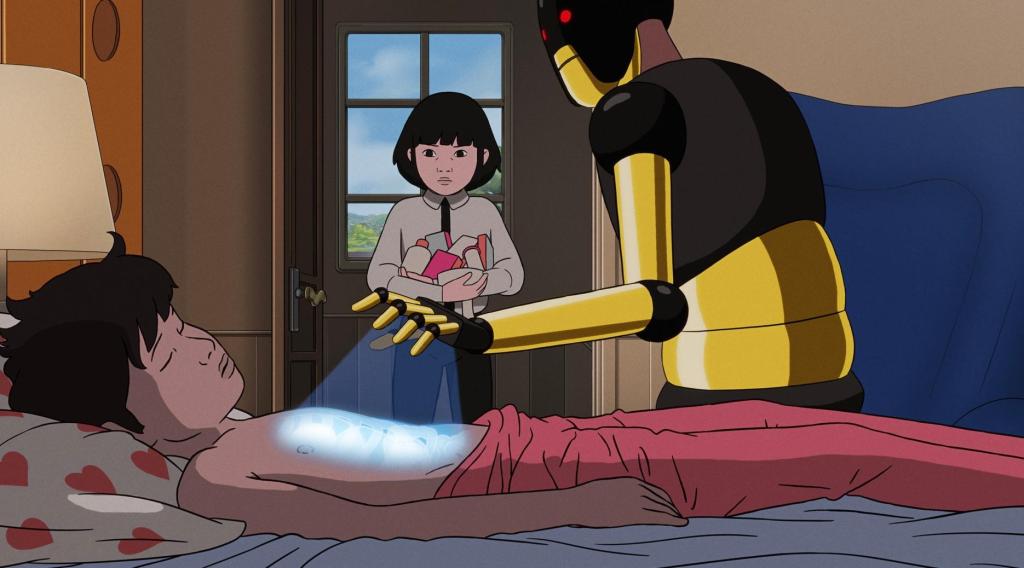
As a story, “Arco” is incredibly tight. Clocking in just short of an hour and a half, “Arco” delivers a simple concept met with brilliant execution. I stared at the screen in awe of the vision that was on display. Unlike some time travel stories, which are set close to the time the story comes out, this film takes place, as of this review’s publication date, entirely in the future. This allows us not only to play around with the idea of people traveling through time, but simultaneously tap into the continued evolution of technology and the earth’s climate. In the case of addressing climate change, I found “Arco” to come off as less obvious in its messaging than “The Wild Robot” and “Flow” did when those two films came out in 2024. Maybe that is just a me thing. I would not be surprised to find out that some viewers feel different when it comes to that matter. That said, the film not only does a good job at entertaining, but also serves as a reminder to take care of the planet.
Much like “Back to the Future,” “Arco” is a film that I can see playing really well with families. In fact, I think some parents may be more comfortable showing “Arco” to their children considering it has significantly less foul language. The film may be animated, which some adults may find to be a turnoff, but “Arco” often feels more Pixar or Studio Ghibli-like rather than something out of the more obnoxious Illumination. The movie is bright and colorful. Heck, any movie heavily involving rainbows should be. But there is a perfect balance that makes the film feel grounded yet imaginative. The film is likely going to entertain younger viewers while also delivering important messages. “Arco” seems to indicate that no matter what time you live in, everyone has their own problems. Nobody’s perfect.
That said, having seen a lot of movies, it is tough to argue that “Arco” is, by definition, original. If anything, the film reminds me a lot of “Colossal,” which puts a completely unique spin on the classic monster movie. In fact, that movie was even described by its own director to be “the cheapest ‘Godzilla’ movie ever.” Despite maintaining a noticeable degree of freshness, “Arco” does a good job at reminding me of some of the great movies I watched in the past that appeal to multiple age groups like “E.T.” or “Spirited Away.” It makes me want to go back and revisit those movies. Yet at the same time, I can see “Arco” having some replay value sometime in the future. It is hard to say that “Arco” is my favorite animated film of 2025, but it is one that gives me great joy the more I think about it.
In the end, “Arco” is a swell time travel flick that brings some originality to the table while also delivering vibes that are familiar from some of the most beloved films of all time. I keep comparing “Arco” to “Back to the Future,” partially because both movies involve time travel, but because they both handle such a concept in a somewhat similar fashion. Not just in terms of structure, but also quality. Is “Arco” as good as “Back to the Future?” Honestly, no. “Arco’s” technical aspects could arguably age better, but as a story, “Back to the Future” is superior. That said, if you are looking for something that delivers on entertainment and commentary, “Arco” is a solid pick. I am going to give “Arco” a 7/10.
“Arco” is now playing in select theaters, and as of this publication, is available to preorder on VOD.
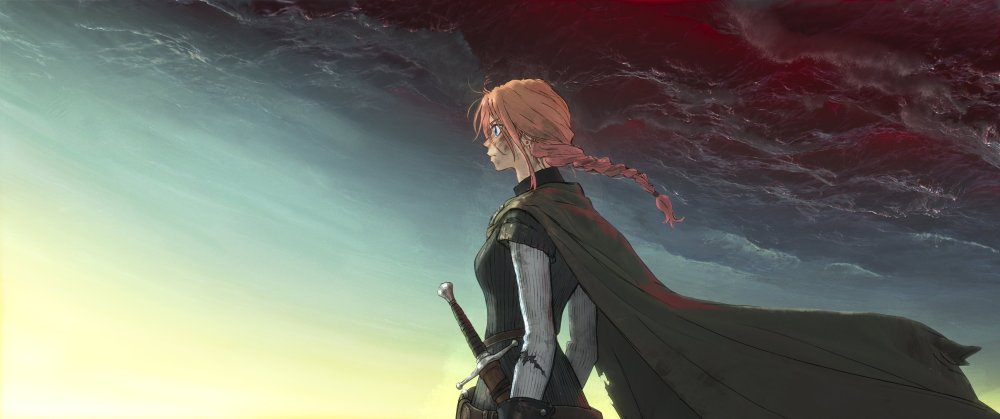
Thanks for reading this review! My next review is going to be for “Solo Mio.” Stay tuned! Also, coming soon, look forward to my thoughts on “GOAT” and “EPIC: Elvis Presley in Concert.” If you want to see these reviews and more from Scene Before, follow the blog either with an email or WordPress account! Also, check out the official Facebook page! And one last reminder, please subscribe to my YouTube channel to catch my latest videos, including the upcoming series “Movie Requests,” which begins this Saturday, February 28th! I want to know, did you see “Arco?” What did you think about it? Or, what is your favorite animated film of 2025? For me, I would have to go with “Scarlet.” I thought it a was clever, fantastical concept done with excellence! Let me know down below! Scene Before is your click to the flicks!
































 Scene Before