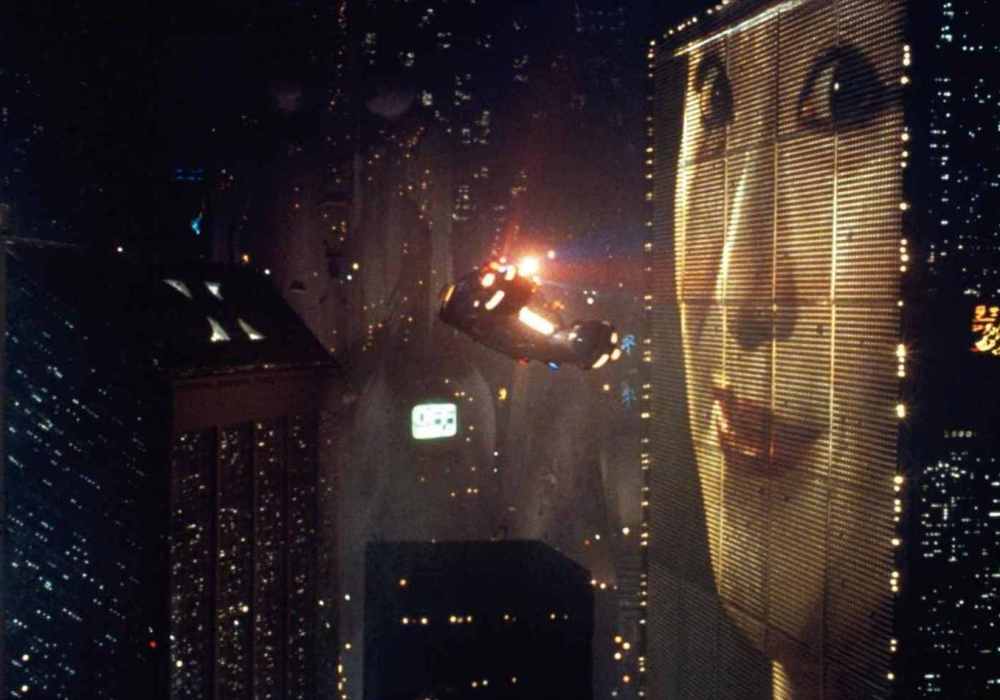
Blade Runner (1982): Gimmie a Hard Copy Right There

Hey everyone, Jack Drees here! And welcome one and all to the final entry to the Ridley Scottober review series! If you want to check out my reviews for the other films in the series, such as “Body of Lies,” “Gladiator,” and “All the Money in the World,” click the provided links and have a ball! Today we will be talking about one of my most rewatched movies in recent years, “Blade Runner.” Also, if you want to see a less professional, perhaps crappier example of my writing, I reviewed “Blade Runner 2049” back when it came out in 2017. I was less experienced, but still had a sense of a writing style of sorts. Check it out! Before we begin this review, I want to make something clear. On this blog, when I review a movie, it is typically of the initial version released in theaters or whatever platform it was designed for. With “Blade Runner,” this is no exception. For this review, I will be using the theatrical version of the film as a baseline. Maybe one day I will do my thoughts on “The Final Cut” as a separate post, which I have seen. But I am treating this movie the same way I treat just about every single other one I watch. That said, if you choose to stick around and read this review, enjoy your stay, make yourself at home, and let’s dive into one of Ridley Scott’s most talked about films.

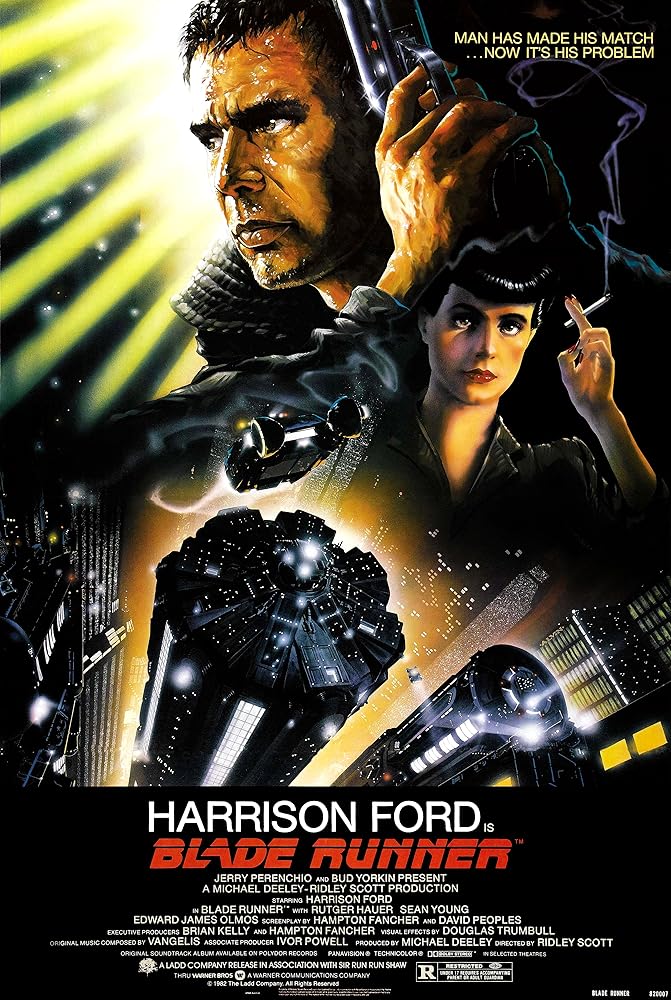
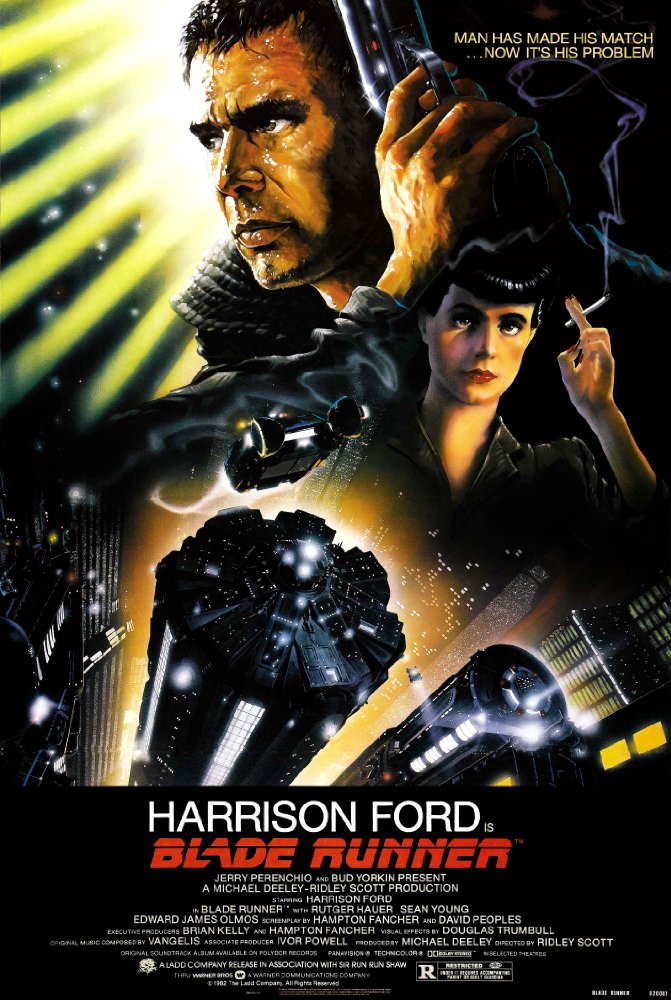
“Blade Runner” is directed by Ridley Scott (Alien, The Duellists) and stars Harrison Ford (Star Wars, Raiders of the Lost Ark), Rutger Hauer (Nighthawks, Inside the Third Reich), Sean Young (Jane Austen in Manhattan, Stripes), and Edward James Olmos (Wolfen, Zoot Suit). This film is based on the Philip K. Dick novel “Do Androids Dream of Electric Sheep?” and centers around LAPD detective Rick Deckard as he is tasked with hunting down and retiring four Replicants who come to earth on a stolen ship in order to find their creator.
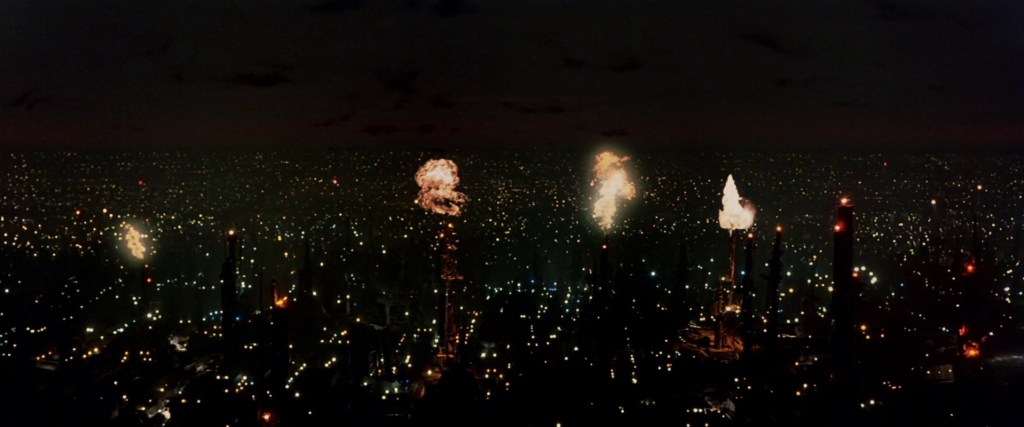
“Blade Runner” is one of those films that has had an impact on me since the first time I saw it back in 2017. In fact, this is not my first time talking about the film on this blog as I once did a post weeks after my initial viewing, talking about what the film got right about the future. Again, much like my “Blade Runner 2049” review, my quality of writing may have been a bit different at the time. Just a fair warning.

Little to my knowledge, “Blade Runner” would have a major influence on my academics. If you knew me in high school, there is a chance that you were with me in a film studies class. “Blade Runner” was the first and last feature film I ended up watching in the class given how much of the curriculum tended to use that film as a backbone of sorts. In college, I ended up choosing to study “Blade Runner” for a final project in my Television & Film Studies class. I have developed a passion for this movie, this property, and if the right people are involved, I would not mind seeing more of it. Judging by what I just said, you already know that this is going to be a positive review. If “Blade Runner” had a personality and made an effort to describe my relationship with it, it would probably channel Michael Corleone in “The Godfather Part III” and say “Just when I thought I was out, they pull me back in!”

Sorry, “Blade Runner,” my days of discussing you are not over just yet.
But I cannot help it, because “Blade Runner” is a master class effort. I think it is a particularly unique film. And it has done a lot to influence many stories that came after. The film is based on Philip K. Dick’s novel “Do Androids Dream of Electric Sheep?,” which a number of claim is the earliest example of cyberpunk. This sub-genre has remained popular over the years with titles across various mediums like “Akira,” “The Fifth Element,” “Ghost in the Shell,” “Altered Carbon,” and “Cyberpunk 2077” just to name a few. It is easy to get lost in a good movie with proper atmosphere, and when it comes to the cyberpunk nature of “Blade Runner,” getting lost in 2019 Los Angeles, or at least what this movie makes it out to be, is as easy as pie.

One of the basic rules of filmmaking is to show, not tell. And that is going to be an ongoing theme in this review. Because everything this movie shows is remarkable. There are tons of practical effects that are beautiful to the naked eye. The production design for this film is off the charts. There are very few films that are like this one aesthetically, and I say that knowing how much cyberpunk has evolved over the years. This film released in the 1980s, a time where cars looked quite different than they do today. And when I look at the vehicles in “Blade Runner,” they definitely have a look at the time that screams futuristic, but I admire how they seem to carry a vintage charm to them. I could totally buy the design of Deckard’s spinner in the film, even if it seems to look a bit like something from the time this movie came out.

Framing-wise, this is one of the coolest-looking films I have ever seen. Despite the film claiming it is set in Los Angeles, it feels like a different kind of environment. This film, at least at the time it came out, is science fiction. There is also a bit of a film noir undertone as well. This movie’s use of the color blue throughout is vivid in my memory. The color palette always packs in a blue tone. You can see hints of bluish lighting throughout the film. And one nice little touch in the background during various scenes are the many umbrellas going about the streets. Their handles have a bluish neon glow to them, almost like Luke Skywalker’s lightsaber in the early “Star Wars” installments. Speaking of “Star Wars,” one of my favorite Easter eggs about “Blade Runner,” if you pay close attention, is that there is a building in the film that resembles the look of the Millennium Falcon, Han Solo’s ship. And to top it off, Han Solo’s respective actor, literally plays the main character of this movie!
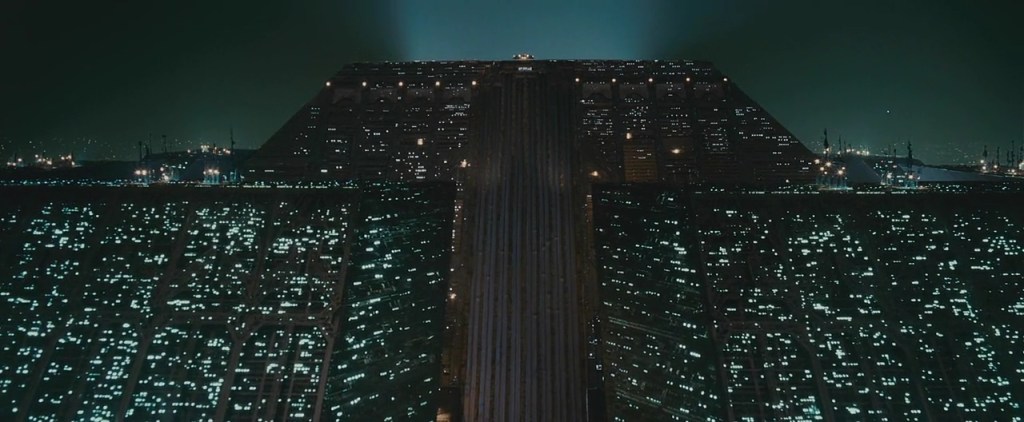
Sticking on the topic of things that look cool, one of the most intriguing designs in the whole film is the Tyrell Skyscraper. This building is utilized throughout multiple portions of the movie, and every time I look at it, I cannot help but stare in awe and wonder. The inside is enormous and carries a robust flair to it. From the outside with the help of lights shining through the windows, it looks screensaver-worthy. I also admire how the pyramid design allows for tons of incline elevators to be put in place throughout the premises. If you know me in real life, I am a bit of an elevator geek. If I were in the “Blade Runner” universe, one of the first things I would do is go into the Tyrell Skyscraper just to ride the elevator.

But just because this movie shows all sorts of cool things, does not mean it tells all sorts of cool things. Now to be fair, the dialogue in this film is minimalistic and it is perfect. There are plenty of scenes where the characters are completely quiet or there are inklings of silence. If you watched other versions of the movie, this will not matter, but if you watch the original version, there is a chance you may remember Harrison Ford’s character, Deckard, not only serving the film as a protagonist, but as a first-person narrator. While there are moments where the narration is not that much of a big deal, there are some that overexplain what is happening, and others that ruin the visual experience of this movie. One of the highlights of this film for me, from a visual perspective, is the scene where we see Deckard and Gaff inside the spinner, flying through a darkened Los Angeles. The aerial shots really help encapsulate the beauty of the city, even with a supposed sense of gloom in its people. The problem is, the scene, which has no dialogue from the characters, also features narration from Harrison Ford that sort of overembellishes the idea of cityspeak, a mix of pre-established languages. It is not really something I would need to know or care to know on my first viewing. It honestly reminds me of when I watch certain broadcasts of “New Year’s Rockin’ Eve” on ABC, and Ryan Seacrest is talking up a storm as I am trying to take in the first moments of the new year. I am basically trying to hear the crowd, listen to Frank Sinatra’s “New York, New York,” and feel like I am there with everyone. But much like Seacrest’s voice on those occasions, Harrison Ford’s voice is nothing more than added noise. At the end of the day, it does not do much to benefit the film. There are a couple voiceovers that do not colossally damage the experience, but there are plenty that are better left unused. This is especially true for one used towards the end of the film where a crucial character’s arc is fulfilled. We are seeing this moment play out, and I am enjoying every second. Then it is suddenly interrupted with voiceover lines from Harrison Ford that basically spitballs what is happening for the audience, instead of allowing them to take in the lesson from the narration themselves. It is kind of insulting the more I think about it.

That said, I watched a documentary on the making of this movie, “Dangerous Days: Making Blade Runner.” And if you have the Blu-ray edition of “The Final Cut,” you can watch it yourself. Harrison Ford revealed not only that he thought the narration, which was added due to poor test screenings, was awful, but he ended up doing it with reluctance. Ford was contractually obligated to complete the lines, so he did what he had to do. He tried his best with the material, but he did not think it was necessary.

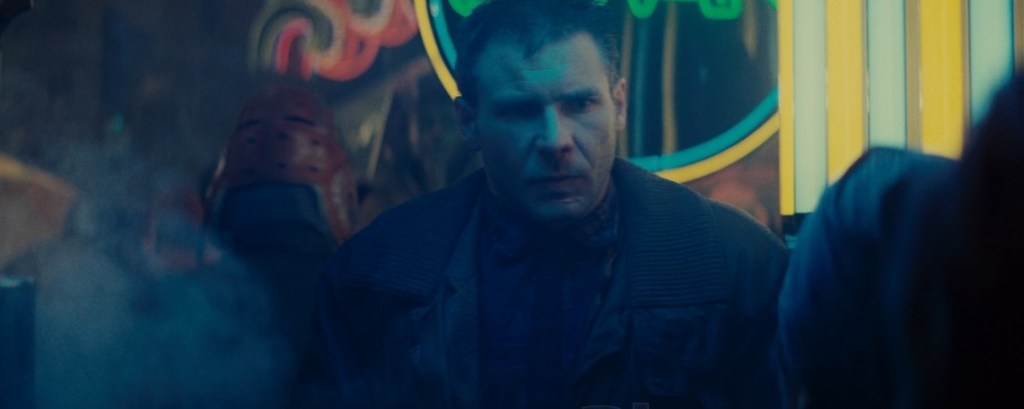
Though speaking of Harrison Ford giving his best effort, his performance as Rick Deckard is perfect. The character easily blends into his increasingly depressing environment. He is the kind of guy who will not take any nonsense from anyone, but also kind of has a softer side on occasion. There is nothing overblown about this character, especially when you compare him to some of Harrison Ford’s earlier performances, like those he previously gave as Han Solo. In fact, much of what makes Ford’s character believable in his environment is his tendency to remain quiet during certain scenes, which is balanced perfectly by the mannerisms of this film’s antagonist, Roy Batty.
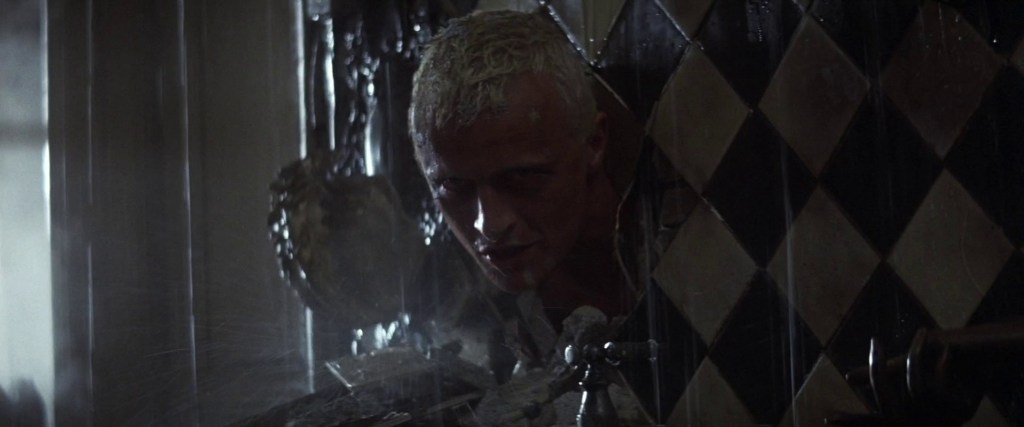
While Harrison Ford may be the most iconic face in the movie, I think the award for best performance in this film easily goes to Rutger Hauer as Roy Batty. I have no idea if Hampton Fancher and David Peoples, this film’s writers, wrote this character with any particular actor in mind, but Hauer is one of the best castings for an antagonist perhaps in the history of cinema. There is a ton of range in a character like this one. When we first see him, his execution of the film’s dialogue is quite direct and to the point. It is almost kind of robotic, which should play into the fact that he is a Replicant. But as we go through the film, there is a continued sense of humanity that develops within this character. You can hear it in his voice, and even his physicality. I said there is a balance between Batty and Deckard, and I mean that wholeheartedly. It is perfectly displayed in the film’s climax, which is not particularly the most epic of climaxes, but it is one that serves the movie to perfection. That said, while I am ultimately rooting for Deckard, I cannot help but admire Batty throughout the climax because every other line out of him sounds like a grounded cartoon. This may be weird to say, but having rewatched this film for review purposes, the dynamic between these characters in the climax almost reminds me of a father and son playing tag or chasing each other around the house. It almost feels carefree even though there are higher stakes involved. Well, that, and there are moments where Batty twists Deckard’s fingers to get revenge.

The movie also kind of ends on a weird note. Again, this is the original cut we are talking about. There is a final scene, which believe it or not, uses footage that was originally made for Stanley Kubrick’s “The Shining,” it is unbelievably rushed, and kind of uneven when consider how most of the film is paced. “Blade Runner” is kind of a slow burn, and by the time we get to this scene, it kind of kicks things up a gear or two. It is really weird. Overall, it is an abrupt scene. And while I definitely prefer the more open ending offered in future versions, I think if this movie were trying to go for a more upbeat ending, they probably could have gone for a longer scene. This scene is too quick, too in your face, and appears to be the result of a last minute decision that likely was not even on Ridley Scott’s mind while making his way through much of the film’s production.

Doing this review in 2023, I realize that some of the problems I have with the movie are those that tend to bog down the original cut and eventually get changed in later versions. That said, there is one problem I have with this movie that has lingered with me for years. While I think Sean Young and Harrison Ford have fabulous chemistry together as Rachel and Deckard, and every scene delivers the best out of each actor, I am not a fan of how their love blossoms. If you can call it that. This movie is written by two men, and I am sure that if a woman were credited with the screenplay, the scene where Rachel and Deckard first embrace their love for each other would have been handled differently. Basically, Rachel is trying to leave Deckard’s residence, but before she can get out, she is barricaded by Deckard, preventing her from making an exit, and pushed to a window. The two do end up embracing each other and confirming their love for each other, but the way it happens feels for starters, unrealistic, but also, kind of unsettling. It reminds me of another movie I have rewatched several times over the years, “Revenge of the Nerds,.” In that movie, sure, Betty and Lewis end up confirming their love, or perhaps more accurately at the time, lust, for each other. But the way that initiates is from Lewis basically assaulting her if you break it down. And much like “Revenge of the Nerds,” I will not deny that “Blade Runner” has reminded me of my love for movies in one way or another. But if I had to name a standout flaw with both films, and it is a monumental one, it would be a central love connection that may seem believable in the end due to proper chemistry, but is initiated in a way that can described as off-putting and erroneous.

As mentioned, “Blade Runner” is an example of cyberpunk, which likely takes inspiration from large cityscapes, but in a way, puts them on steroids. That said, even with a somewhat over the top nature provided throughout this movie’s interpretation of Los Angeles, everything around the city in terms of the environments and characters felt completely grounded. There is rarely a moment of this movie that I could not buy. This movie also manages to insert, for the most part, believable product placement. After all, it is set in a major city, so tons of advertising is to be expected. But from the very beginning, the frame is often bombarded with neon, noise, or product acknowledgments from companies like Budweiser or Coca-Cola. Ridley Scott manages to deliver an atmosphere with “Blade Runner” that not only emits realism, but for the entire runtime, makes me feel like I am there.

Though if I had to finish this review with one thing, it is that few movies, in fact few franchises for that matter, tend to answer the question, “What is human?”, like this one. I think Roy Batty, despite being an android, is perhaps one of the greatest encapsulations of that question in the history of film. We see him from the very start of his journey wanting more life. It is established that Replicants tend to have a four-year lifespan. Obviously, most humans live a lot longer, and that is something that he is trying to achieve. But if anything, this movie shows that life is not something you should take for granted. I am 23 years old. In fact, as I am writing this review, I am going to be 24 in just over a week. This movie reminds me to enjoy the moment, even in the darkest of times. Even in a city where the rain never stops, there may be one or two moments of sunshine. This movie may be set in a depressing future, but it is one where beings tend to find inklings of joy to keep themselves busy, whether that inkling can be defined as enjoying some noodles, playing chess, or fiddling with a piano. The beauty of “Blade Runner,” despite coming off as a slow burn and a thinker film, is its simplicity. At its core, “Blade Runner” is about a cop trying to stop a group of targets before it is too late. Everything else is just a bonus, and a mighty bonus it is. Because as far as I am concerned, there is a reason why I have rewatched this film so many times over the years, because it is that good.

Oh, and to answer the often debated question amongst fans, Deckard is a Replicant.

In the end, “Blade Runner” is one of Ridley Scott’s best films, even with its flaws. Again, a lot of the flaws I have in this review did get resolved, but I imagine if I did watch “Blade Runner” back in 1982, I would be having a ball with it. Unfortunately, the film did not do too well when it came out. It polarized critics, made an underwhelming amount at the box office, and possibly suffered from studio notes. Having to compete with another excellent and successful film, “E.T. the Extra-Terrestrial,” probably did not make things any easier. Even with that in mind, the film has a lot to offer. Exciting action, likable characters, incredible story arcs, life lessons, captivating writing, stellar direction, brilliant lighting, and stunning effects that make a number of modern movies that rely on CGI pale in comparison aesthetically. I must add, Vangelis’s score is also an absolute banger. “Blade Runner” is one of the best-looking movies I have ever seen, and it is hard to believe it looks this good over forty years later. But these looks are supplemented by a narrative that did nothing more than grabbed my attention and kept it for a couple of glorious hours. I am going to give “Blade Runner” a very high 8/10.

Again, if I were reviewing “The Final Cut,” I might honestly give a higher score. But I am treating this review the same way I am treating the other ones I typically do. And if you want me to be honest with you, as much as I love the original “Blade Runner,” it feels odd to say because I have not watched it in a while, but I honestly think “Blade Runner 2049” is the superior installment. It has all the positives of the original movie, but does some things to improve on it as well. Much like the original, that is another film that I have watched incessantly. In fact it finished as my runner-up for best movie of the 2010s. And if I could go back and do my review of it again, I would give it a 10/10 if I had the chance. Few films made me escape my reality and bring me to another world like that one did. I highly recommend if it is a rainy day, do a “Blade Runner” double feature. Both movies are absolutely worth your time and are two of the finest examples of what sci-fi can be.

“Blade Runner” is now available on VHS, Laserdisc, DVD, HD DVD, Blu-ray, and 4K Blu-ray. The film is also available through various streaming services.

Thanks for reading this review! And I hope you enjoyed my entries to the Ridley Scottober review series! I had a lot of fun doing these. I got to check out some films I have never seen before, in addition to watching one for the umpteenth time. I had a blast doing these and I hope you had fun reading them. If you want to see more reviews, good news! I have more coming soon! I will soon share my thoughts on “It Lives Inside,” “Dicks: The Musical,” and “Killers of the Flower Moon.” If you want to see this and more from Scene Before, follow the blog either with an email or WordPress account! Also, check out the official Facebook page! I want to know, did you see “Blade Runner?” What did you think about it? Or, what is your favorite science fiction movie? Let me know down below! Scene Before is your click to the flicks!

10 Movies That Have Changes You May or May Not Have Noticed *SPOILERS*

mv5bmja1mjqynju5mv5bml5banbnxkftztgwntc1nji1nte-_v1_sx1777_cr001777755_al_

Hey everyone, Jack Drees here! You might have clicked on this post thinking “Oh, crap! Clickbait! GO BACK! GO BACK! GO BACK!” First off, thank you for giving me one extra view, very much appreciated. Second, regardless of how clickbaity this sounds, I will say what you’re about to read is somewhat interesting. When movies come out, you might think of it in a certain way. You might go back and watch it the way you remembered. Although in some cases you might go back and watch it, and there’s something different about it. Today we’re going to be looking at some of these changes, see if you see the movie in a different view than you did before. One rule I’m making for this list is that no made-for-TV changes apply here. If a movie gets a change from its original release because it airs on TBS or something, it doesn’t count. So changes as the one from “Home Alone” where Buzzy doesn’t say “I wouldn’t let you sleep in my room if you were growing on my ass,” and instead says “butt,” doesn’t qualify. Just for the record, this is not a countdown, these aren’t in any specific order, and I’m not sticking to any sort of idea, stating how much I like or dislike these changes. I might go into that, but I’m not saying I like every single change or dislike every single change. So let’s dive into this.

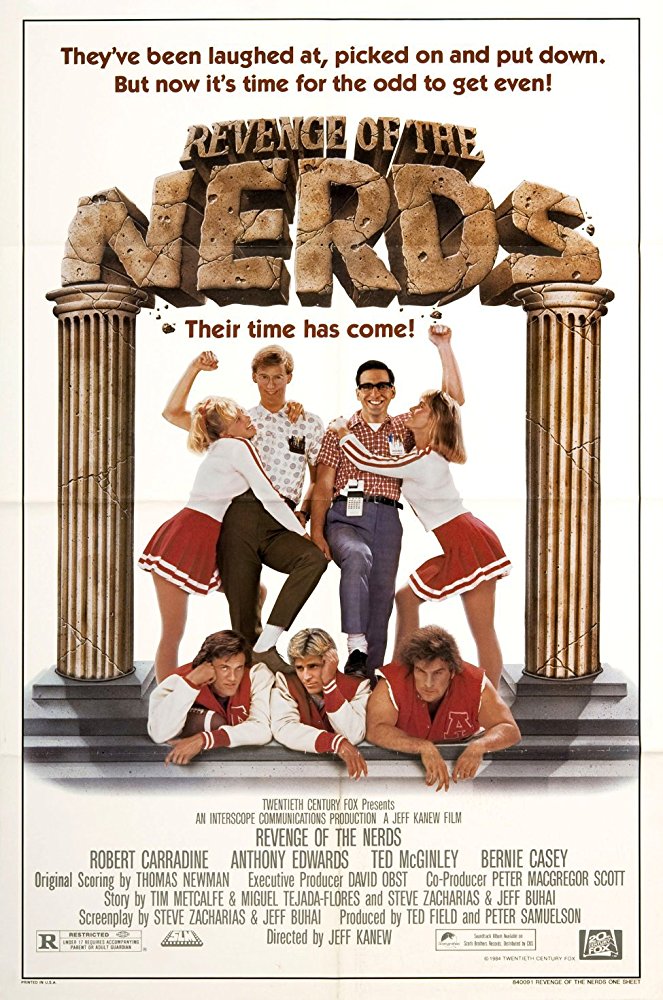
Revenge of the Nerds: Phone Number

mv5bodu1nzm4nta4nl5bml5banbnxkftztgwmtkxmzcxmte-_v1_sy1000_cr006631000_al_

The first change comes from the 1984 comedy “Revenge of the Nerds.” This is one of my personal favorite comedies. The sequels? Not so much. The movie has been released on VHS, Laserdisc, DVD, and Blu-ray. However, the sequels haven’t gotten past the DVD mark. This is a change that is seen on both the DVD and Blu-ray editions of the film. In 2003, the film was put out on DVD, but with a reedit brought to the mix. There’s a “For Rent” sign in the movie which had a genuine phone number on it. For legal reasons, the footage where the phone number was displayed was removed. Note, I didn’t say blurred, but removed. I have never seen the footage of where the phone number is revealed and as I write this, I’m looking at originaltrilogy.com, where a bunch of users are talking about this change and a couple of them called it “jarring.” I will have to watch the original cut in order to agree or disagree, but if you really want to make everyone happy, just blur the phone number. Also to everyone, please don’t call the phone number. Don’t be a dick.

All the Right Moves: Lea Thompson In the Nude

Remember how I said this isn’t a countdown? Well, I guess this may be an excuse to talk about movies I haven’t seen. Ladies and gentlemen, I give you “All the Right Moves,” starring Tom Cruise (Risky Business, The Outsiders) and Lea Thompson (Jaws 3-D, Back to the Future). Why am I talking about this? Well apparently I was in Connecticut and while I was there, I managed to pick up a bunch of Blu-rays to add to my collection. This movie happened to be one of them and I figured it would go great in my Tom Cruise collection. Due to random research, I came across something interesting. When “All the Right Moves” came out in 1983, there’s a sex scene featuring Tom Cruise and Lea Thompson which contains full frontal nudity, however when the Blu-ray released in 2012, the framing of Lea Thompson’s character in the nude was altered. This prevented people from seeing Lea nude below the waist. I don’t want to sound like a pervert, but I don’t know why that change had to be there. First off, the movie’s rated R. Second, if people who have watched this before are rewatching this today, they might be slightly jarred by what they’re seeing and the experience of that scene might be ruined for them. Not to mention, this is a Blu-ray cut! Not a cut made for television! On TV, I can sometimes understand some movies being altered for certain viewers for a number of reasons. But, on a Blu-ray?! What do I know really? I’ve yet to see the film so I can’t really say much.

2001: A Space Odyssey: “Affirmative, Dave” and Nineteen Minutes of Footage

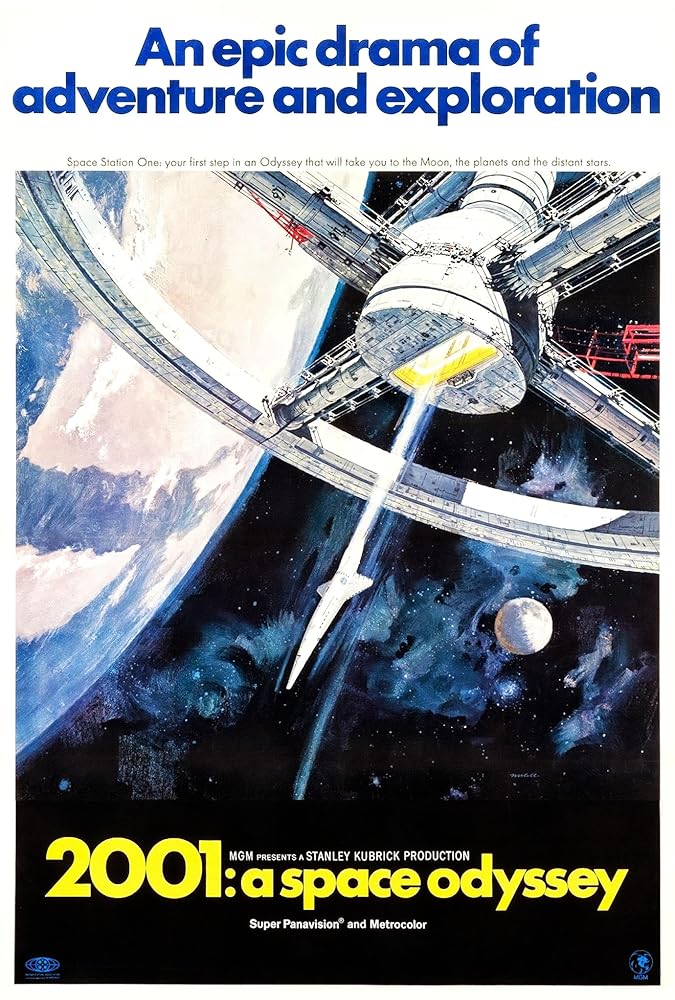
It’s been almost fifty years since the release of “2001: A Space Odyssey.” In that span of time, the movie has been considered a classic by fans of science fiction and film from a general perspective. You know what they say, if it ain’t broke, don’t fix it. This change, much like the “Revenge of the Nerds” change, didn’t really break the film or anything for some people. In fact you can say it broke the film less because if you think about this, it’s not really that jarring compared to the “Revenge of the Nerds” change. In 1998, MGM released “2001: A Space Odyssey” on DVD, with a slight change in the dialogue. During the scene when Dave is trying to get through the pod bay doors, he asks HAL “Do you read me, HAL?” In that particular release, HAL responds by saying “Affirmative, Dave.” Although in the original release, HAL says “Affirmative, Dave. I read you.” What makes this change extra wacky is that the English subtitles for the DVD released by MGM actually still displays the line from the original release. The full dialogue however was revived in future home video releases from Warner Brothers. Speaking of changes, when “2001: A Space Odyssey” was first released, it was slightly over two and a half hours long. The version which is seen on most home video releases is a version that’s just slightly shorter than two and a half hours. Stanley Kubrick, the director of the film, removed nineteen minutes of footage after the film premiered. It would be nice to see that footage restored for when “2001” comes out on 4K, I’d totally buy that!

Blade Runner: Endless Cuts (SPOILERS AHEAD)

“Blade Runner” is one of the best sci-fi films ever made. In fact, a sequel just released in October and it might be just as good, if not better, compared to the original. Followers over the years have been exposed to multiple editions of what director Ridley Scott regards as “probably his most personal and complete film.” Ridley might not be lying when he says that, and we’ll get to that in a second. “Blade Runner” has had seven different cuts of the film released to the public.

In 1982, the workprint prototype version was shown to test audiences in Denver and Dallas. This was also shown in 1990 and 1991 to audiences in San Francisco and Los Angeles as a “Director’s Cut.” Although it didn’t have the approval of Ridley Scott. We’ll get back to that in a sec.

There was also a San Diego sneak preview version shown to audiences only once in May 1982. This version included three scenes that was never shown in any other version of the film (before or after).

Then we have the version the US audiences saw in theaters. This included a “happy ending” that the studio wanted in the film. Fun fact by the way, there are aerial helicopter shots which weren’t even filmed for “Blade Runner.” These shots were actually from Stanley Kubrick’s “The Shining.” The movie also included narration by Harrison Ford, who played the lead character of Deckard. While some might say Ford either was angry about his task or he intentionally narrated poorly, he said it was simply bad narration. This was also referred to as the “Domestic Cut,” which wasn’t released on DVD until 2007 as part of a collector’s set of the film.

Then we have the International Cut. This cut is a minute longer than the US version, and included more violence in three action scenes than the US version. This cut was eventually released in the US on VHS and Criterion Collection laserdiscs. Interestingly, this version was shown to the US on HBO during the 1980s, the 1990s, and 2015.

In 1986, the US broadcast version was released. This was put together by CBS to meet TV broadcast requirements. There’s even narration that wasn’t in any other version of the film leading up to it, plus a different opening crawl. And yes, I said made-for-TV changes don’t count, but I’m just providing evidence to prove my point.

Next came the Director’s Cut, which was created technically by film preservationist, Michael Arick. This cut was discovered as a 70mm print which nobody had an idea that it actually was the movie’s workprint version. This was discovered after a screening of the film in Los Angeles. Ridley Scott said the cut was roughly edited, lacked a key scene, and the climax missed Vangelis’s score. The Director’s Cut was very popular that it rereleased theatrically in 1992. This cut also brought up a very popular fan theory if you will to the table. At one point in the film, we cut to a clip of a moving unicorn. The original idea for this scene was to cut between Deckard and the Unicorn, but the condition of the print associated with this was not presentable, so it just shows the unicorn trotting. This scene along with a clip of Deckard holding an origami unicorn, may suggest he is a Replicant. Speaking of things this film removed, the movie no longer has the narration from Deckard along with the happy ending the studio wanted. Despite being called the “Director’s Cut,” Scott wasn’t satisfied. To be fair, he was busy with “Thelma and Louise,” time and money happened to be a problem, however this cut brought more satisfaction in general to Scott than the original. There’s one cut although, that brought even more satisfaction to Scott…

Here’s where we get to “The Final Cut.” This is the cut where Ridley Scott had complete artistic control. Remember the unicorn dream? Turns out in this version, the original dream was included. You know, the one where it cuts between Deckard and the unicorn. Other additions include alternate edits and violence featured in the international cut. It turns out there were parts of this version that went through reshoots to fit in this version. One such example is Zhora’s death scene. Fun fact, if it weren’t for Warner Brothers gaining total control over distribution rights in 2006, this would have probably never been released. This project started once the 21st century began, and in mid-2001, legal and financial troubles put the project to a halt.

Porky’s: Cherry Forever’s Extra Nudity

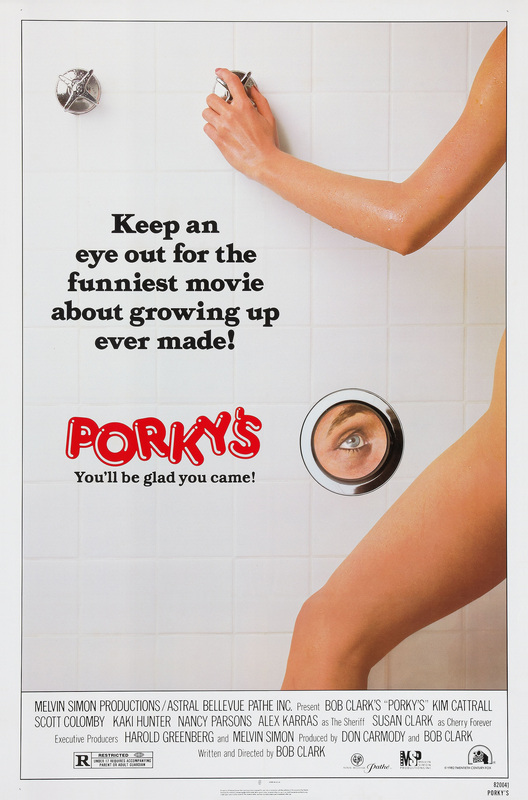
“Porky’s” is an interesting movie to say the least. When it comes to its reception, critics weren’t exactly pleased, but it did gain a cult following and there are still people who go back and watch it today. As far as 1980s coming of age stories go, this isn’t my goto pick. However, back in the 80s, this was a hit among many people who flock to the cinema. The film was #1 at the box office for nine consecutive weekends, suggesting that either a lot of people either wanted to see it, liked it and went multiple times, or happened to be really horny. The film eventually released on VHS and something appeared in that which never appeared in the theatrical release, or the future DVD release. Based on how the release was open matte, more nudity was revealed in the VHS version. This happened during the Cherry Forever scene. The additional nudity was a result of the transfer, and was never intended to be shown. You know, unlike my secret identity–whoops! That was close! I almost told you guys I’m the guy who saved the Golden Gate Bridge from absolute destruction. Oh, crap! I did it! I’m a failure! I was told by a wizard to keep that a secret! Oh, well! Sucks to be me!

xXx: Head-butt

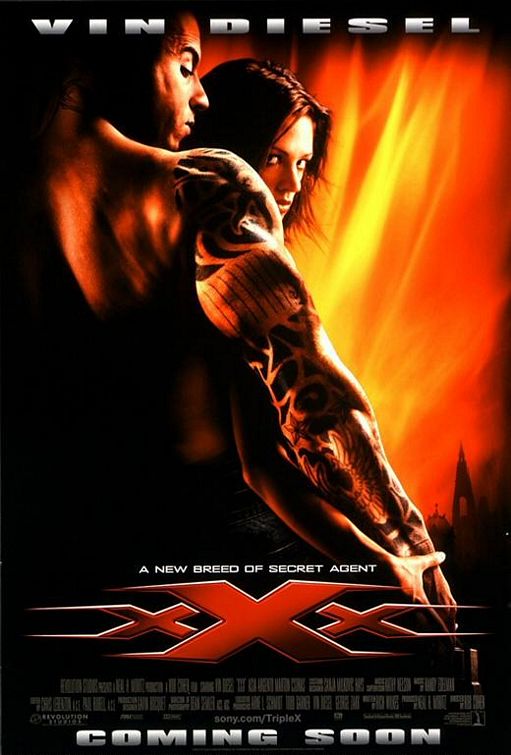
One interesting move executed in battle is a headbutt. There’s something about it, you’re literally using your head to bounce off someone else as a fighting technique. Plus, the term itself is awesome. One movie where a headbutt is shown is 2002’s “xXx,” starring Vin Diesel. This movie isn’t exactly the next “Citizen Kane” or anything, however it is a fun action flick with some interesting lines in the lines in the script. Going back to headbutts, when this movie was released in several territories, audiences were exposed to a moment where a headbutt occurs. One territory where audiences didn’t get to see this however, was in the UK. Similar to the US’s MPAA, the UK operates under a rating system referred to as the BBFC. The BBFC has a rating labeled as 12A/12, which was the rating “xXx” was given. If the headbutt was kept in, the rating wouldn’t have been secured and would have bumped up to 15. This is how the film was presented for years. The headbutt wasn’t even in the eventually released Director’s Cut DVD. Although on January 5th, 2017, the film was rereleased on Blu-ray in honor of the film’s 15th anniversary. It was at this point that the BBFC waived the cuts to the film, and the headbutt was then inserted. The BBFC must have had this slogan for years:

BBFC: We’re buttheads!

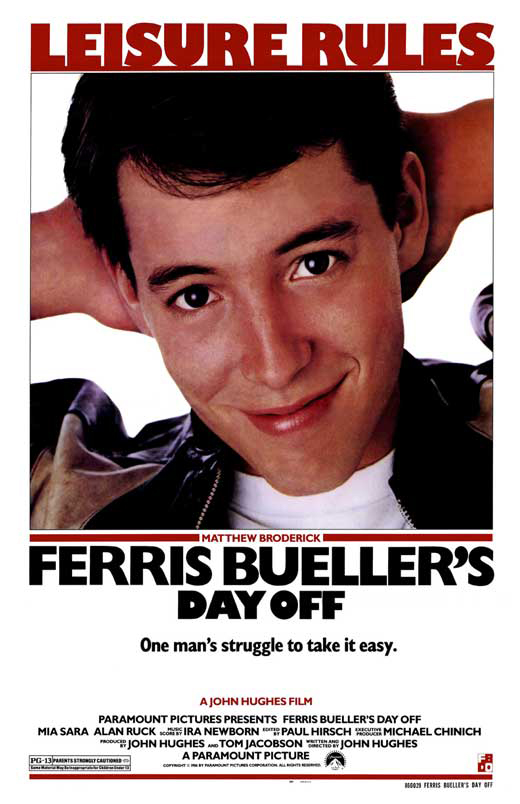
Ferris Bueller’s Day Off: Paramount Logo

I love “Ferris Bueller’s Day Off.” It’s a coming of age story that a lot of people in high school can relate to. In fact, you can also include anyone going to school in general, not to mention anyone who’s working a s*itty job can relate to. Sure, “Office Space” kind of does the same thing, but this came first. This change doesn’t even affect much of the movie, it just has to do with the logo. This movie is from Paramount, and if you know who they are, there’s a good chance you’ve seen one of their logos. Some time after the movie was in theaters, it came out on VHS. However, the VHS versions contain a plastered Paramount logo depending on the year the print released. The original logo although was restored on all future DVD and Blu-ray releases.

American Graffiti: Digital Effect

Ah, George Lucas. What have you done? You took a bunch of people’s childhoods, which were epic because of your “Star Wars” movies, and you threw them in the garbage! Because if you haven’t noticed, the original “Star Wars” trilogy has made a crapton of changes over the years! Well ya know what?! I’m not gonna focus on that! Because I already did a countdown focusing on those changes, and apparently George Lucas made a change to “American Graffiti” as well! This change didn’t exactly offend me as much. Then again I only saw this movie once. The change is shown in the 1998 Collector’s Edition DVD and VHS, and once you hear what it is without any specification, it almost sounds like something George Lucas would do. Lucas requested for the opening scene which features Mel’s Drive-In to have a sunset with clouds. The original opening had a cloudy sky with buildings in the background. In this opening, the buildings are still there, but the weather is different. Interestingly, there was also a documentary on the making of “American Graffiti” included as a bonus feature on the DVD, and the original shot was inserted there. Time travel much?

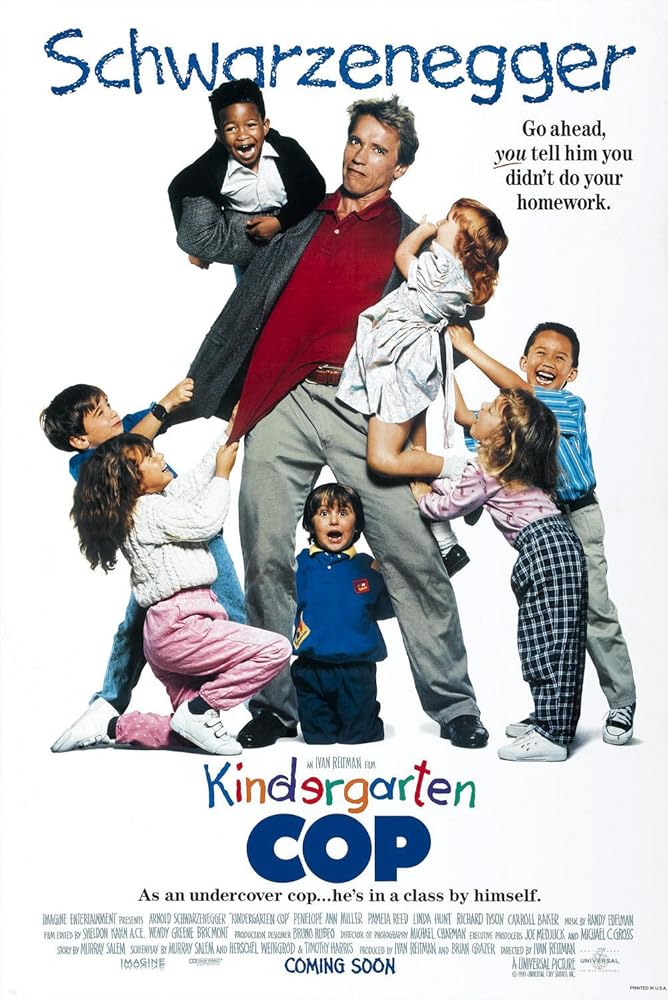
Kindergarten Cop: Little Terrorists

I imagine some people getting a sense of surprise from “Kindergarten Cop.” The film itself is a comedy where a cop goes undercover as a kindergarten teacher in order to locate the ex-wife of a dangerous criminal. This movie released in 1990 and stars Arnold Schwarzenegger. It’s kind of interesting to put the Terminator as the star of a comedy, but stranger things have happened. Although I wouldn’t say it’s all too strange because another comedy, “Twins,” released two years before this one, and while not all critics and audiences appreciated the film, there were a number of them to say it was worth a watch. Interestingly, both comedies were directed by Ivan Reitman, who also directed “Ghostbusters” 1 and 2. And the movie does have some witty Schwarzenegger lines and also has some funny lines given by a bunch of kids as well. Speaking of lines, let’s talk about one of them. As mentioned, this movie released in 1990, which is eleven years before 9-11. Once that day occurred, it inspired the removal of one particular line in all future versions of the film. After Schwarzenegger’s first day with the kindergartners, he has this to say about them.

JOHN KIMBLE: They’re horrible. They’re like little terrorists.

I’d just like to state that if I were in kindergarten watching this film, it would probably be debatable on whether or not I should be watching it given it has a PG-13 rating. However I don’t know if this one incident means this line should be deleted. I don’t know if Reitman decided on this or if Universal did or anyone else for that matter, but you don’t really need to get rid of it. Sure, in reality, kindergartners aren’t commonly associated with terrorists, although that would make for an interesting cartoon or something, but I don’t see how this would offend anyone. I mean, it’s probably better than changing the line, but the elimination felt unneeded. Let’s face it. Kindergartners are crazy, and I know that because I was one. I wouldn’t blame someone comparing me with a terrorist at that age because I was a chaotic brat. Anyways, let’s move on.

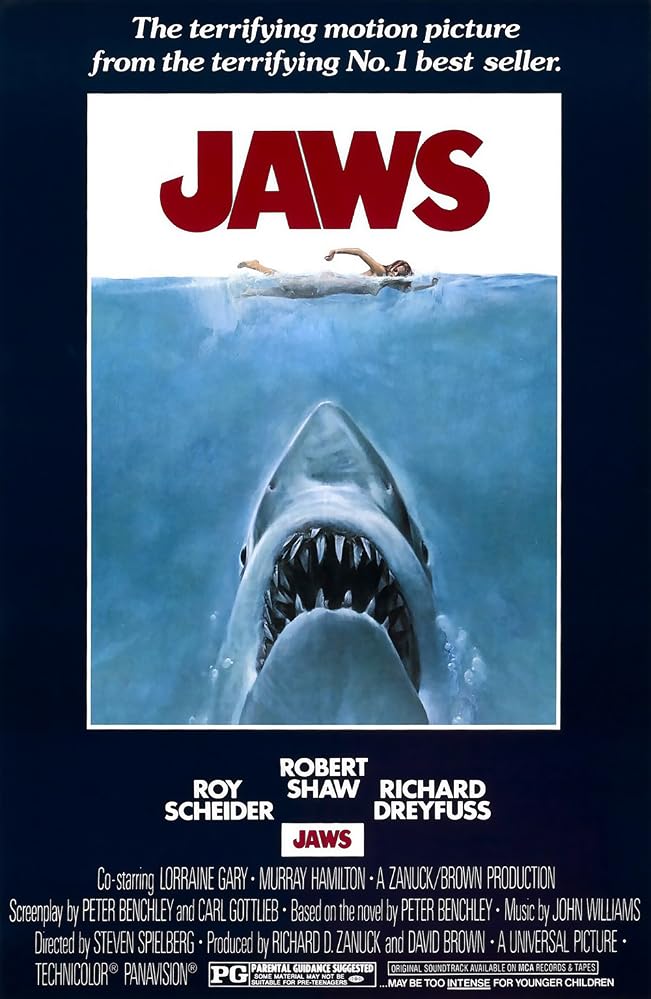
Jaws: Smile, You son of a… (SPOILERS AHEAD)

“Jaws” is considered by many to be one of the greatest films of all time. It has a terrific script, admirable characters, and an awesome score from John Williams, who went on to do “Star Wars,” “Superman,” “Raiders of the Lost Ark,” “E.T,” “Home Alone,” “Jurassic Park,” “Schindler’s List,” “Saving Private Ryan,” and “Harry Potter.” If you’ve seen the ending, you’d probably know how it ends. Part of that ending involves the character of Brody. He’s in a duel against the shark and he’s got a gun. He’s in full concentration mode, trying to take the creature down. In honor of the movie’s 30th anniversary, a DVD was released in order to celebrate. This brought a very minor change in one line, in fact, it’s actually one of the lines of the movie that I remember most. In versions prior to this release, before Brody shoots his gun to kill the shark, he says “Smile, you little son of a bitch.” Here, he says “Smile, you little son of a…” and then his gun is shot. Like the original, all the blood and gore remains, but the word “bitch” is removed. I’m glad I’m not Jesse Pinkman from “Breaking Bad,” because finding this out would be the worst day of my life. I can now say that my memory suggests that all the versions of “Jaws” I’ve seen in my life at this point, have this specific “bitch” removed. I want to know how this feels for everyone who has either seen the original version and possibly been exposed to alternate editions of the film. How does this “bitch” removal come off to you? Does it take away from the scene? Does it not take anything away at all? Does it anger you? I really want to know. I can’t say much about this change, but if they ever alter “You’re gonna need a bigger boat,” there will be riots.

Thanks for reading this post, there’s a good chance I just possibly either ruined a scene for you, so if I did, I apologize. If so, don’t blame me, blame the people who changed them! Nevertheless, the year’s almost over, the holiday season is coming to its conclusion, but that also means I will have two countdowns coming up. Like at the end of 2016, I’m counting down my top 10 BEST and WORST movies of the year. I’ve seen a number of films that came out this year. Most of those films are ones I reviewed, and there are others I’ve watched but couldn’t make a review of for the sake of time such as “The Great Wall,” “American Assassin,” and “King Arthur: Legend of the Sword.” Believe it or not I will still be going to see more movies as the year comes to a close, because I have aspirations to go see “Downsizing,” “Father Figures,” “The Disaster Artist,” and if any other opportunities come up to see a movie released this year, I’ll take those as well. Stay tuned for more great content! Also, what is the worst alteration you’ve ever seen in a movie? For me, I gotta say Darth Vader screaming “no” at the end of “Return of the Jedi.” Leave your responses down below! And yes, can also includes ones from TV. Scene Before is your click to the flicks!

What Blade Runner Got Right About the Future

mv5bnzqzmzjhztetowm4ns00mtdhltg0yjgtmjm4mdrkzjuwzdblxkeyxkfqcgdeqxvynju0otq0oty-_v1_sy1000_cr006711000_al_

Hey everyone, Jack Drees here! Just about a month ago, I watched “Blade Runner” for the first time ever. For the record, no, I didn’t intend on doing so because the new one was coming out, however I would have done that anyway. By the way, the main reason I watched it is because it was part of a class curriculum in my school. Anyway, that movie takes place in 2019, which is two years away, and if you read the title of this post, you’d probably already know I’m going to be talking about what “Blade Runner” got right about the future. You’re probably thinking, why you doing this in 2017 and not 2019? I figured it would be appropriate to do it now since there’s gonna be a new “Blade Runner” installment coming out this weekend called “Blade Runner 2049” and I had no review planned for the original. If you’re asking, yes, I do want to see it, but I’m not sure when I will. However, I’ve watched the movie multiple times now, specifically “The Final Cut.” As mentioned, I watched it in school, but I later picked up the 4K Blu-Ray edition even though I don’t have a 4K Blu-Ray player. Throughout watching the movie I picked up on a number of things: The endless inspiration it had on material which arrived after it, the visually pleasing world and effects, and also, considering we are two years away from this movie’s setting, how much it got right about the future, along with how much it could get right in the meantime.

A lot of people are saying that it’ll probably be a bit longer before flying cars become a reality. While they certainly aren’t seen on the streets all that much, it doesn’t mean they haven’t been partially realized. There’s a company called Terrafugia who has made this happen. According to the Wikipedia page labeled “Flying car (aircraft),” Terrafugia announced the first autonomous flying vehicle on May 7, 2013. Now, these babies have not come to market yet and development is going to likely take 8-12 years. So this means these cars might come to market somewhere between 2021-2025. By the way, the name of this vehicle is the TF-X and there is a page on Terrafugia’s website about it. If you’re interested in checking it out, click the link down below! Also something interesting I just found out, their headquarters, located in Woburn, Massachusetts, is actually a couple towns away from where I live! So that means I’m currently a couple towns away from possibly future history in the making!

https://www.terrafugia.com/tf-x/

In “Blade Runner,” you’re seeing Replicants, artificial creatures, and scanners to confirm one’s identity, so it’s not really much of a surprise that another thing they’ve gotten right is the rise of technology. Sure, this can apply to flying cars, but I feel that deserves its own topic. This is something that a movie thought of before the release of “The Terminator.” Not only does technology control our everyday lives, but it comes off as superior to humanity in various ways. For example, with the rise of chess computers in the 1980s, they’ve beaten some of the world’s best chess players. Also, stores are now commonly using self-checkout, heck! People aren’t even going to stores anymore! Just look at what Amazon’s doing right now! It’s not just stores that are doing this, McDonald’s put self-checkout in its locations in 2016. By the way, they already had a number of these, this was the time when it was put to absolute use. They did this because the employees at McDonald’s wanted a $15 minimum wage. By the way, f*ck McDonald’s. I’ve been on the MBTA (Massachusetts Bay Transportation Authority) to ride trains into Boston and they barely even announce anything manually anymore! In fact, they’re soon replacing their Orange Line trains with newer models, some of their last trains that only allow manual announcements. Not to mention on the topic of computers, not just ones that can play chess and win, we’ve even had IBM Waston, a computer that can play “Jeopardy!” and take victory against two of its winningest contestants, Ken Jennings and Brad Rutter! I wouldn’t be surprised to go to restaurants in the future and instead of seeing waiters or waitresses, I just see robots coming to you and taking orders! Who knows really, only time will tell.

I want you to take a moment to observe this shot, what do you notice? If you’re thinking that’s Harrison Ford holding a gun, you’re right, but that’s not what I’m talking about. What I’m talking about in this shot, is the rain. 2017 has been a hard year in terms of natural disasters, specifically hurricanes. This year we’ve seen hurricanes such as Harvey, Maria, and Irma. This is more rain than usual in any sense of the word. I won’t get into climate change or global warming because the movie didn’t really suggest any of that specifically, but the rain may have suggested all the pollution we’re getting. Who knows what it could be from? Maybe all the flying cars aren’t as efficient as those on the ground. If you watch the movie, look very carefully, because you’ll be able to see it’s raining a good portion of the runtime. In movies, it usually rains during certain situations such as a dramatic fight scene like in “The Matrix Revolutions” or to move the story along like in “Bee Movie.” The rain is much more common here than those films.

Much like flying cars, this isn’t really something that’s technically happened, but it is potential to happen soon, which is people living off of Earth. In the movie, they talk about off-world colonization, suggesting that people started living their lives on planets that aren’t Earth. Right now in the real world, people are actually getting ready to colonize Mars. There’s actually a couple of missions that are planned in future decades from SpaceX and Mars One. SpaceX wants to see colonization begin in 2022 and Mars One wants to see it begin in 2032. Not only are organizations planning to colonize it, but people are just planning to just travel to and fro. This is something that both the US and Russian governments are planning in the 2030s.

If you think I missed something that “Blade Runner” got right about the future, please let me know about it. I actually almost put sex robots on here, but the furthest we’ve gotten with them as far as I know happens to be prototypes plus I don’t even know if I fully trust the sources I’m getting this info from. For those of you wondering what I’m talking about, just watch the character of Pris in this movie. If you want to talk about something different related to “Blade Runner,” well then what are your thoughts on the movie? Are you excited for the sequel? I’m personally excited if you ask me, I will hopefully have my review of “Blade Runner 2049” very soon. Also, in terms of upcoming reviews that AREN’T “Blade Runner 2049” I do want to see “Stronger,” and I might also have interest in another film coming out this weekend, “The Mountain Between Us,” starring Idris Elba and Kate Winslet as two people who crash a plane on a mountain and go on a journey together. Stay tuned for more great content! Scene Before is your click to the flicks!