Wake Up Dead Man: A Knives Out Mystery (2025): The Weakest Film of the Knives Out Trilogy

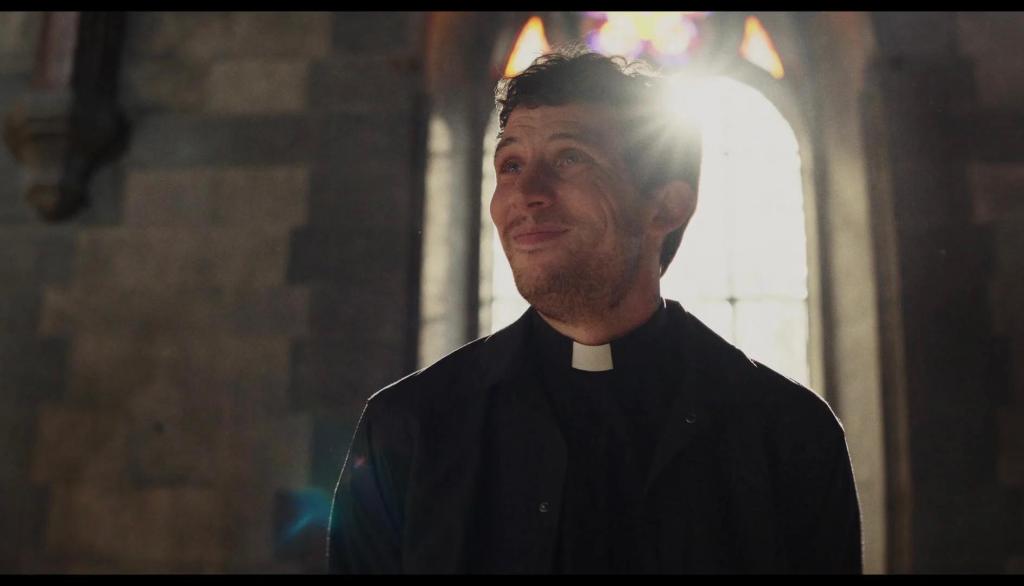
“Wake Up Dead Man: A Knives Out Mystery” is directed by Rian Johnson and this is the third film in his ongoing “Knives Out” franchise. This film stars Daniel Craig (Casino Royale, Logan Lucky), Josh O’Connor (Challengers, The Crown), Glenn Close (The Wife, Fatal Attraction), Josh Brolin (Avengers: Infinity War, Weapons), Mila Kunis (Family Guy, Jupiter Ascending), Jeremy Renner (The Avengers, The Hurt Locker), Kerry Washington (Scandal, Little Fires Everywhere), Andrew Scott (Sherlock, Ripley), Cailee Spaeny (Priscilla, Civil War), Daryl McCormack (Good Luck to You, Leo Grande, Bad Sisters), and Thomas Haden Church (Spider-Man 3, Wings). This film shows what happens as Benoit Blanc investigates the death of priest who passed during a Good Friday service.
“Wake Up Dead Man” is one of those films that I really should be more excited about. I did not make a most anticipated films of the year list this past January. Frankly, I do not know if I ever will make one of those lists again. But if I did do one for this year, chances are I would have put “Wake Up Dead Man” on it. I really enjoyed the last couple of “Knives Out” movies, especially the original. This film franchise comes off as a passion project for Rian Johnson behind the camera and Daniel Craig in front of it. That said, I kept forgetting that this third film was happening. I knew that a third film would happen at some point. But I feel like the hype machine for this film was miniscule compared to the previous ones. The first film, while definitely somewhat familiar as far as the mystery genre goes, was one of 2019’s freshest and most exciting originals. “Glass Onion” appeared to piggyback off of the first film’s success while still delivering something new and what I thought to be a solid sequel. It also surprisingly implements the COVID-19 pandemic quite well. There were quite a few 2020-esque callbacks that had me laughing. I did not see that coming. “Glass Onion” even got a wider theatrical release than most Netflix projects, as it should have. I could not believe I had the opportunity to watch a Netflix movie at an AMC, but it happened!

Meanwhile, “Wake Up Dead Man” also had a release in theaters, but it appears to have similar treatment to a lot of Netflix’s other movies that end up in cinemas. “Wake Up Dead Man” ended up playing a few locations, but none of the major chains. Not AMC. Not Regal. Not Cinemark. I took advantage of the limited opportunity to catch “Wake Up Dead Man” in cinemas, and part of me is thankful for it. Like the past couple films, “Wake Up Dead Man” has plenty of laughs. It was exciting to see this film play in front of an occasionally audible crowd. That said, of the three “Knives Out” films, I found this one to be the least funny.
Courtesy of Netflix – © 2025 Netflix, Inc.

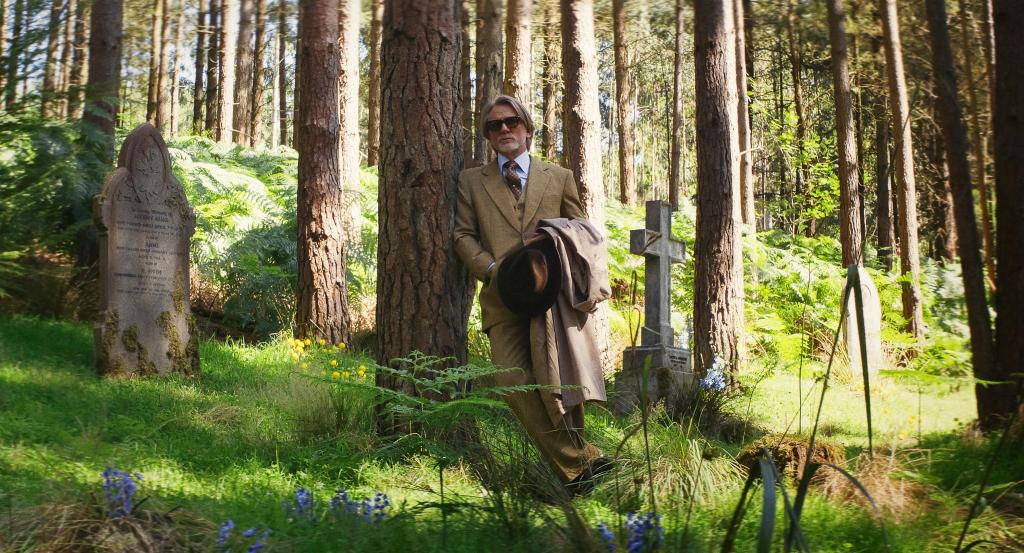
One of the biggest positives I can give “Wake Up Dead Man” just so happens to be one of the biggest positives I’ve acknowledged through the last couple of “Knives Out” movies. Daniel Craig looks like he is having a ball in every single scene. Benoit Blanc is a perfect balance between being a voice of reason while also teetering to a point where he is practically a complete goofball. He has such a knack for theatricality and a lust for shenanigans all the while being in complete focus to simply solve whatever case is in front of him. This is Craig’s third outing as Blanc and he continues to shine. Of course, Craig surrounds himself with plenty of star power. This film’s ensemble cast includes big names like Mila Kunis, Josh Brolin, Thomas Haden Church, Kerry Washington, and Josh O’Connor to name a few.

“Wake Up Dead Man: A Knives Out Mystery” feels the most Netflix-esque of the “Knives Out” movies so far. Granted, this statement may be unfair, considering the first one is not a Netflix original. It was distributed by Lionsgate. But of the three movies, this is the one that feels the most disposable of the bunch. I hate to stereotype Netflix films, but when I think of Netflix’s filmography, much of what comes to mind is “content.” These are stories designed to be consumed as soon as it drops, only for them to be quickly forgotten. “Wake Up Dead Man” undoubtedly has some memorable moments, but I would not be lying to say it is the most forgettable film of the trilogy so far.
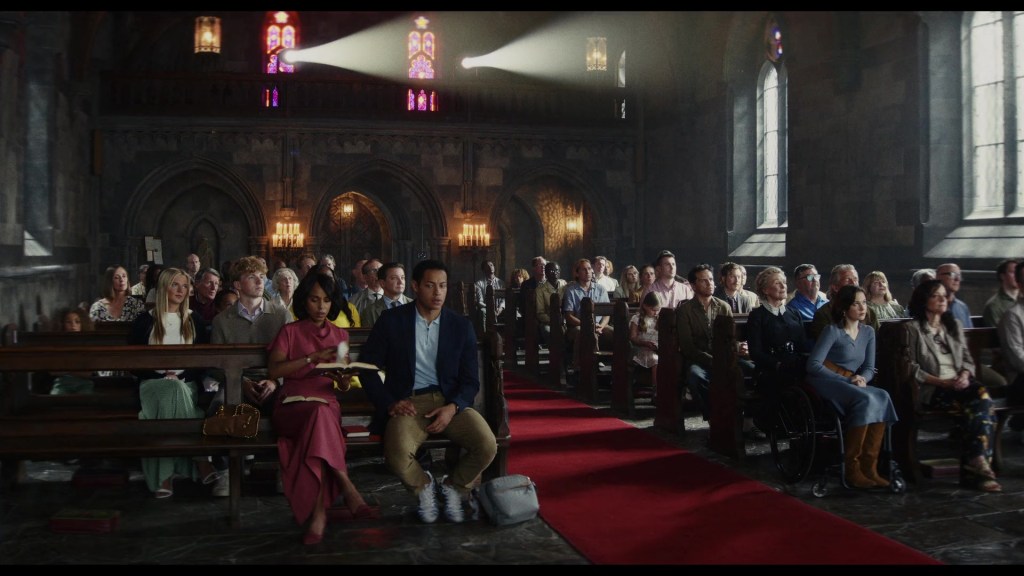
That said, there are some things that this film does to separate itself from the previous two. Like the last couple of films, the story revolves around a large ensemble cast. However, this story involves a group of people who are to a certain degree, constantly in a tight knot, but we also see them constantly separated. Specifically, people who work within and go to a specific church. Sure, we see the cast of first film split up through town, but much of the picture sees a large family gathering in one home. The second film sees a big group of friends coming together at an unusual abode. This film goes bigger and many of the crucial story moments happen from one place, followed by another. It is not like multiple people are dying in the same home similar to the second movie.

“Knives Out” so far has remained a consistent franchise for the most part. All three films are directed by Rian Johnson, and his touch has been exquisite with each go. Every film to a certain degree feels like a throwback set in modern times. All the films run at a smooth pace and have laugh out loud humor. That said, this film let off a particular vibe that the other two did not. As this film reaches the end, it felt draggy. There is a moment in this film where this huge revelation is unveiled. Of course, it is eloquently explained by Daniel Craig’s Benoit Blanc. The film’s timing with its edits, shot choices, and music also play a role in such mastery. While Craig seems to be having fun on set, I had less fun watching him and the surrounding characters during this scene. The revelation is incredibly drawn out, perhaps on purpose. Regardless of the intent, watching this scene occasionally felt tedious. The climax of this film felt rather underwhelming compared to the other two.

All of the “Knives Out” films exceed a two hour runtime including credits. While “Wake Up Dead Man” is the longest “Knives Out” film statistically, it is perhaps the only “Knives Out” movie where I could feel the runtime, almost to the point where I thought the movie was longer than what the runtime said it was. This is the first time I watched a “Knives Out” movie wondering it would end. I was far less invested in this film than I was the other two. Is the film clever? Sure. Is it well made? Sure. But it lacks the oomph that the other two movies have delivered. This may be because I found the screenplay or characters to be less compelling this time around, or perhaps that the formula is not as novel as it was in 2019. As much as I respect Rian Johnson, I would be curious to see what another filmmaker could bring to this franchise in the future. I feel like they could bring a breath of fresh air. This is not a horrible movie, but it is the least palatable of the trilogy so far and by its conclusion, I kept wondering when it would roll the credits.

Courtesy of Netflix – © 2025 Netflix, Inc.

In the end, “Wake Up Dead Man: A Knives Out Mystery” feels like a step down for the franchise. I walked out of the first couple of “Knives Out” movies buzzing. Even though I gave “Glass Onion,” a 7/10, which is good, not great, I found the film to be a memorable experience. The first two films had nonstop laughter, engaging plots, and likable characters. While there is still plenty of humor in “Wake Up Dead Man,” I found myself less attached to the story and cast. Sure, Jud is a solid protagonist, but I found the supporting cast to not stand out as much as those from the previous installments. There is no Chris Evans in the cast or Dave Bautista. I cannot name that one character who had one or two extremely quotable lines that I will be thinking about for a long time. Sure, this film gets plenty of big names, but I do not think they were used as well as the actors from the last movies. Maybe I will rewatch the film on Netflix one day and have a totally different opinion, but for now, I am going to give “Wake Up Dead Man: A Knives Out Mystery,” a 6/10.

Little sidenote, this is not sponsored, but if anybody wants to watch a really fun “Knives Out” parody, this is your chance. Netflix, who not only distributes “Knives Out,” but also airs new episodes of “Sesame Street,” released a new short called “Forks Out.” The 5 minute story features the cast of “Sesame Street” trying to figure out who ate the Cookie Monster’s pie, with some help from Detective Beignet Blanc, inspired by Daniel Craig’s Benoit Blanc from the movies. Go check it out. It’s a take on “Knives Out” with puppets. How can this not be funny?

“Wake Up Dead Man: A Knives Out Mystery” is now playing in select theaters and is available on Netflix for all subscribers.
Thanks for reading this review! My next review is going to be for “Jay Kelly!” Stay tuned! Also coming soon, I will be sharing my thoughts on “Bugonia,” “No Other Choice,” “Fackham Hall,” “Scarlet,” “The Secret Agent,” and “Hamnet.” If you want to see these reviews and more from Scene Before, follow the blog either with an email or WordPress account! Also, check out the official Facebook page! I want to know, did you see “Wake Up Dead Man: A Knives Out Mystery?” What did you think about it? Or, what is your favorite film in the “Knives Out” trilogy? Let me know down below! Scene Before is your click to the flicks!

1917 (2019): Cinematographically Golden

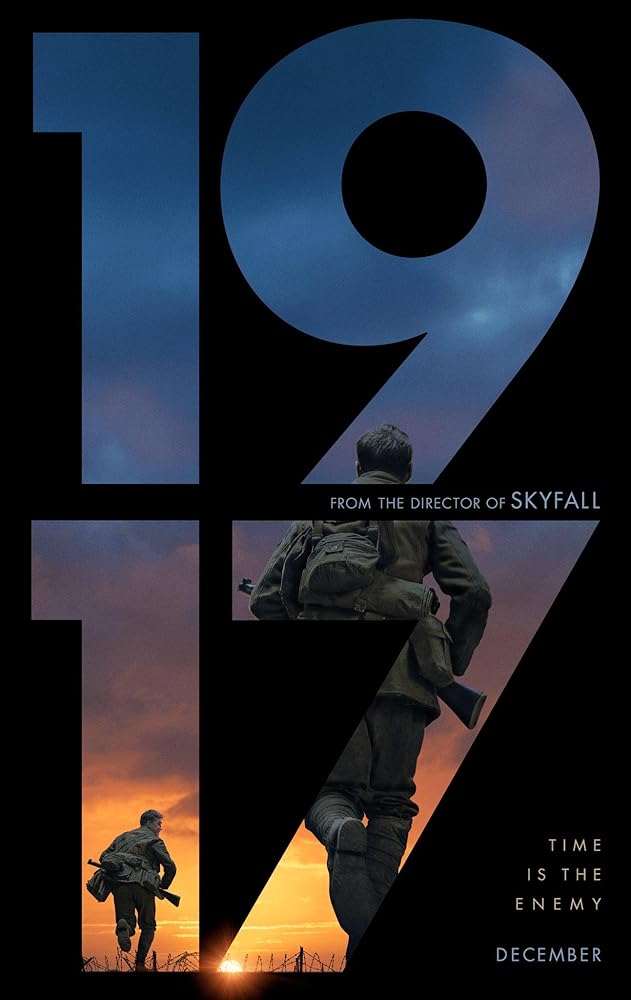
“1917” is directed by Sam Mendes (Spectre, American Beauty) and stars George MacKay (The Boys Are Back, Captain Fantastic), Dean-Charles Chapman (Into the Badlands, Game of Thrones), Mark Strong (Shazam!, Kingsman: The Secret Service), Andrew Scott (Fleabag, Sherlock), Richard Madden (Game of Thrones, Bodyguard), Claire Duburcq, Colin Firth (Love, Actually, Mamma Mia!), and Benedict Cumberbatch (Doctor Strange, Star Trek: Into Darkness). This film takes place throughout, as the title suggests, 1917. Specifically, during events of World War I. The story follows two British soldiers, Schofield and Blake, as they are given a mission to deliver a message to the 2nd Battalion of the Devonshire Regiment to call off an attack on the Germans. If this mission fails, this would mean there would be a loss of 1600 men, including Blake’s brother.

First off, let me just say to all of you that this is my first review of 2020, and what a better way to start off the year than to talk about movie that is literally a year. This film came out Christmas Day in select theaters, but much to my dismay, not one theater in the Boston area was going to show the film until 2020, so I had no chance to see it until then. This year is also the earliest time in which I was able to catch an advanced screening of the film. So I trekked to the theater this past Tuesday with high expectations.

When I say high expectations, I mean that literally. Knowing some of the technical aspects of the film, which I will dive into later on, it makes me giddy just thinking about it. Plus, this week was also the airing of the 77th Golden Globes, where this movie was nominated for 3 awards, and ended up taking home 2, including Best Picture – Drama. Granted, the more I think about the Golden Globes as a whole, the less meaningful I find them to be (after all, their voting board is not that big and they have genre-specific categories), but to have some notable recognition definitely helps. But in life, I live by the philosophy to form my own opinions on any matter at all times. Because life is just better when I’m in control. So what are my thoughts on “1917?”

mv5bmjfmyjnmnmetytuzmc00mwi2lwflzmutzmm3ywjiy2e2ngqyxkeyxkfqcgdeqxvynjg3mdmxnzu40._v1_sx1777_cr001777739_al_

Let’s see… Oh! It’s better than “Cats!” But that doesn’t say much, now does it?

Let me try this again by asking you a question, because it sort of relates to my experience. How often has this happened to you? You go see a movie, and maybe you feel that what you just saw was wicked intense, and said intensity hits you to the point where your body just shuts down at a point. For me, that’s what “1917” felt like. I walked out of this movie nearly unable to feel my own legs. To help explain some of my thoughts on this film, I am going to remind you of another recent war film, specifically Christopher Nolan’s “Dunkirk.”

While “Dunkirk” and “1917” have their differences, one thing I cannot deny is that they both stand out in terms of how effectively they convinced me that I could have been in danger. I will say, “Dunkirk” had a slight undeniable advantage during my first viewing because I did see it in IMAX and I saw “1917” on a standard cinema screen, but regardless, “Dunkirk” emphasizes on sound more than “1917” does, which believe it or not, isn’t exactly a sign of this film lacking proper sound whatsoever. In fact, the sound editing and mixing in “1917” is great. I have no problems with any of that. But while “Dunkirk” emphasizes sound, “1917” emphasizes sight. Again, I’ll state that “Dunkirk” did a good job on that side of things as well. In fact, the movie received a Best Cinematography nomination, which it deserves. The way it utilizes 70mm and IMAX technology is undoubtedly impressive.

When it comes to “1917,” the technology used for this film, specifically the camera, is smaller. In fact, it runs on digital. The entire movie is shot using an Arri ALEXA Mini LF, which, if you don’t know much about cameras, the Arri ALEXA in general is often regarded as a current industry standard in filmmaking. This does make sense given what the crew behind this movie set out to do, which is film the movie with long takes, involving lots of movement. It’s not like this is one of those movies where the camera always sits still on a tripod, pretty much the entire movie tries to put you into the frame and take you along for the ride, and I’d say this was a pretty successful task. Because pretty much the entire time, even though I barely knew the two main characters, I was rooting for them to get out of whatever dire situation they were in. The long takes made me feel like I was transported in the movie, it made me feel like I was going to get shot, maybe debris would be flying onto my head.

The stellar cinematography in this film, which in fact, is without any argument whatsoever to be the best cinematography of 2019, is done by Roger Deakins, who also took on the job for iconic films including “The Shawshank Redemption” and “No Country For Old Men.” He also did one of my favorite films of the past few years, “Blade Runner 2049,” which he won his first Oscar for. There are several shots in this film that I can imagine myself wanting to hang in my living room if I had enough money for a big house and if I can find a good 5 panel canvas. And what really shocks me is a particular technique that is utilized during the film. I mentioned that the film is designed to look like it is one shot. Let me just tell you right now, it’s not. Without spoiling anything. There is a scene where the footage cuts to black, allowing for a slight break from whatever’s happening on screen. However, according to certain sources I have read, the film does cut but I didn’t even notice it on screen. According to the Hollywood Reporter, the longest shot in the movie is eight and a half minutes. This instantly brings a sense of hypnotization and eventually, a desire to look back at the film and try to guess when exactly the cuts happened. Plus, this film was shot on location, which brings a lot of challenges for the filmmaking process including an analysis on set design and the fact that lighting shots is perhaps an impossibility. And somehow, all of this was pulled off. This to me, cinematography-wise, may be in the top 10, maybe even top 5, all-time greatest achievements related to its category. I wouldn’t say it’s #1 at this point given how I still need time to marinate, but it does come close as of now, and if Roger Deakins DOES NOT win Best Cinematography this year at the Oscars, that award in all likelihood will be nothing short of a snub.

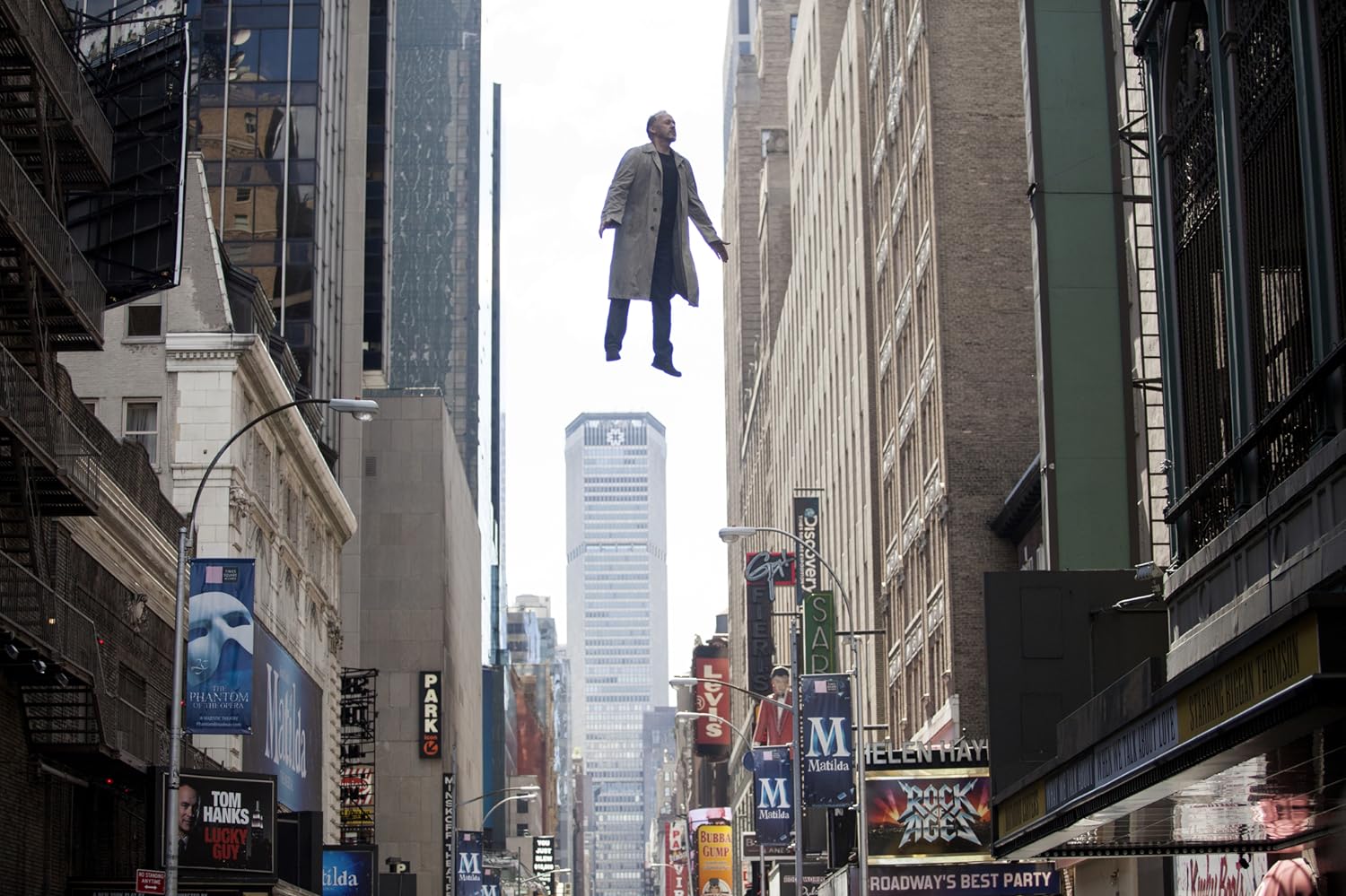
Another reason to consider how this movie is not #1 in terms of being the greatest cinematography achievement of all time is that this has been done before. Yes, this is sort of an upping of the stakes compared to Sam Mendes’ own long take shot experience from “Spectre,” a movie in which the cinematographer was Hoyte Van Hoytema, but that’s not the point. If you have followed 2014 in film, you may be familiar that the Academy’s Best Picture that year was “Birdman,” directed by Alejandro González Iñárritu (Babel, The Revenant). Having said that, I think the originality factor of that film helped me appreciate it. “1917” on the other hand is ultimately following in its footsteps. Story and concept-wise it stands on its own, but the intention when it comes to the visual aspects of the film is not completely different. Also, according to a quick Google search, the longest shot in “Birdman” goes on for fifteen minutes, compared to “1917,” which has a longest ongoing shot for eight and a half minutes.

In all seriousness though, this film, as a visual ride, is a tour de force, and I think this could be Roger Deakins’ best work just because of the daunting task at hand. And for that, I also have to give credit to Sam Mendes for helming this production. This is an experimental, ambitious film that I think will be looked back upon for years to come. In addition to all of the surroundings that make this film what it is, Thomas Newman’s score also does an effective job at adding something to the crazy experience on screen.

As for the characters, I wouldn’t say I didn’t care about them, but I am not gonna sit right here and tell you that they’re anything special. I did mention their names, but keep in mind that I glanced at them on Wikipedia as I write this review. In fact, I think the only name I recalled from the film is Colonel MacKenzie, maybe because I was paying enough attention. But at the same time, this movie is more about the journey, the effects throughout said journey, and this was one HELL of a journey. When I bring that up, part of me thinks that I almost don’t even need to know anybody’s name. In fact, I felt like *I* was a character experiencing this event alongside everyone else, therefore I am ultimately the one who should develop the most.

If I were a character in this movie, I’d say I’d start out curious, maybe a tad scared, but at the same time, I have to realize the consequences that can come from various actions. As the movie goes on, I would still be scared, perhaps even more so, but I would still tough out through whatever lies ahead. Eventually, I’d still be my terrified self, but I’ll have a feeling that I finally get to breathe. Seriously, whenever there is a moment of silence or calmness, it felt rewarding. I felt like I went through war with these characters simply because the camera’s eyes were almost like my eyes. Granted, it focuses a lot on these folks’ faces and I would probably never spend 2 hours almost continuously running backwards, but I think y’all get the point.

The film’s concept is simple, but it is also effective. Before I dive into the paragraph where I give my official rating, let me just say that this film, story-wise, is one I need to continue to think about. However, when it comes to various other aspects, it is one that I am pretty much set on. My rating could change, but anything is possible.

In the end, “1917” gave me pretty much everything I wanted. It is a beautifully shot, brilliantly directed, and solidly executed master work. It is just incredible to think about all the hard work and craftsmanship that went into this. There are a good number of war films out right now, but I’d say that this is 1,917 times as awesome as some others. I know some people who have seen a number of movies that will tell you that maybe whatever movie they saw at the theater is not worth the experience, maybe because there weren’t enough showman-esque elements in the movie or something. Let me tell you, and I’m not talking to everyone, because I understand that war films may not be everyone’s cup of tea, and that’s fine, but if you don’t go see this film in a theater, it’s a crime. A bad crime. Go see this movie on the biggest screen you can, with the best sound available. It’s out right now in Dolby Cinema, so if you’re willing to pay a higher ticket price, go there. Just see it! It’s an experience! As for the story, I mentioned that I have no problems with it, but it is one where I feel like I won’t remember anybody’s name. Maybe this is a movie to me that gets better the more I watch it. But we’ll just have to see. Also, the cinematography is PERFECTION. I’m going to give “1917” a 9/10. I wanted to give the film a 1917/10, but then I’d break the scale, so 9 it is.

Thanks for reading this review! I just want to remind everyone that this SATURDAY, JANUARY 11TH, will be the kickoff of my multi-part countdown event, “Top Movies of the 2010s!” I’m gathering all the entries, lining them up as we speak, and even though I am admittedly cramming at this point, I am hella excited to share my lists with y’all! If you want to see this and more content from Scene Before, give me a follow! If you have a proper account in place, feel free to leave a like and comment! Also, if you have a Facebook account, feel free to like my page to get notified about the latest goings on here at Scene Before through the place where you have friends, even those you probably haven’t talked to in five or so years. I want to know, did you see “1917?” What did you think about it? Or, what do you think is the better achievement in cinematography, this movie or “Birdman?” Let me know, you have one shot to impress me with your opinions! Scene Before is your click to the flicks!